
Silk Eye Mask Filling Comparison: Mulberry Silk, Bamboo Fiber, and PP Cotton — Comfort, Weight, and Cost
You want a sleep mask that feels soft, blocks light, and matches your budget. The filling is the hidden engine behind comfort, weight, breathability, and long-term value. In this guide, YOU compare mulberry silk, bamboo fiber, and PP cotton fillings with clear specs, care tips, and sourcing advice. You will also get a buyer checklist for OEM/ODM orders, plus pointers for custom packaging and private label.
What Matters Most In An Eye Mask Filling?
You should prioritize:
- Comfort and breathability for hot climates and sensitive skin.
- Weight and drape for blackout without heavy pressure.
- Cost, durability, and compliance (OEKO-TEX Standard 100, colorfastness).
If you sell on Amazon or Shopify, reliable lead times and sample photos are equally critical.
How Does Mulberry Silk Filling Perform?
Mulberry silk filling uses layered 6A silk webs for a plush yet light feel.
- Comfort: naturally hypoallergenic and moisture-wicking; gentle on eyelash extensions.
- Breathability: excellent; helps reduce morning puffiness.
- Weight: 8–16 g for standard masks; 18–25 g for spa-grade plush.
- Fit: great drape around cheekbones; strong blackout with minimal strap tension.
- Care: hand wash only; air-dry flat.
Best for premium gifts, bridal sets, and skin-conscious users who want a luxury silk sleep mask.
Ask for Quote Now
How Does Bamboo Fiber Filling Perform?
Bamboo fiber (often viscose from bamboo) offers a cool, breathable cushion.
- Comfort: smooth and absorbent; good for oily skin and summer rooms.
- Breathability: high, especially with quilted bamboo fiber construction.
- Weight: 12–20 g for pure bamboo; 10–16 g in bamboo/poly blends.
- Durability: resists clumping if lightly quilted; machine-washable in a laundry bag.
A smart choice for eco-forward lines and spa kits that need machine-wash convenience.
How Does PP Cotton Filling Perform?
PP cotton (polyfill) delivers loft and budget-friendly pricing.
- Comfort: cushioned and soft, but warmer than natural fibers.
- Breathability: fair; can feel stuffy in humid climates if overfilled.
- Weight: 8–14 g standard; 15–22 g plush.
- Durability: highly resilient and easy-care; avoid hot washes to prevent clumping.
Ideal for travel accessories, corporate gifts, and entry-level bundles.
Which Filling Feels Best On Skin?
- Mulberry silk: top pick for sensitive skin and fragrance-free preferences.
- Bamboo fiber: gentle and cool; a close second for warm weather.
- PP cotton: depends on the shell; a 19–25 momme silk inner lining upgrades feel.
For side sleepers, slightly higher fill weight (by 2–4 g) improves blackout without extra strap pressure.
Which Filling Delivers The Best Blackout?
- Mulberry silk: layered webs contour well for nose and cheek gaps.
- Bamboo fiber: reliable blackout with a 3D nose wing eye mask pattern.
- PP cotton: add darts or a shaped bridge to avoid light leakage around the nose.
A darker inner lining also reduces internal light reflection.
How Do Weight And Loft Affect Comfort?
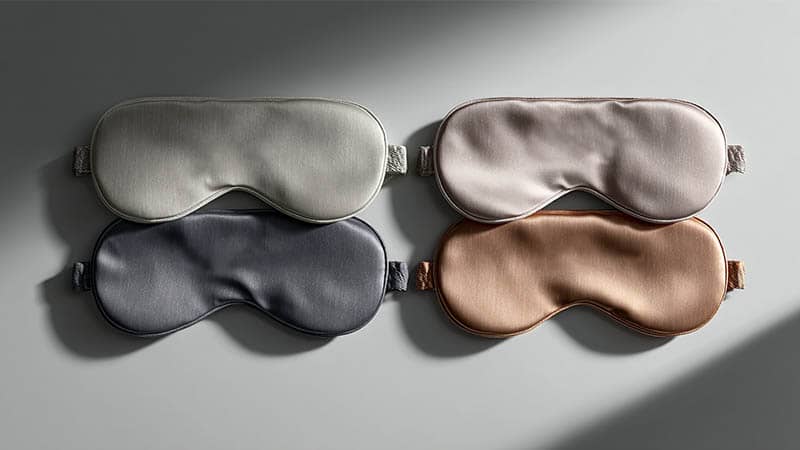
- 8–12 g: lightweight, cooling silk eye mask for summer and travel.
- 12–18 g: balanced all-season comfort and seal.
- 18–25 g: warm plush eye mask for winter or meditation sessions.
Match weight to climate and audience to optimize comfort and reviews.
What About Cost And Sourcing?
- Mulberry silk: highest perceived value and margin at retail, with premium materials and more handwork.
- Bamboo fiber: mid-price, strong performance-to-cost ratio.
- PP cotton: budget option for large promotions and bundles.
If you need a no MOQ custom silk eye mask supplier with fast lead time and competitive factory pricing in China, confirm capacity, packaging options, and compliance before you place POs.
Ask for Quote Now
How Do These Fillings Handle Moisture And Odor?
- Silk: wicks and releases moisture quickly; less prone to odor.
- Bamboo: absorbs well; dries slower but stays fresh with regular airing.
- PP cotton: absorbs little; rely on breathable shells and proper drying.
A washable storage pouch helps with odor control during travel.
Which Filling Is Easiest To Care For?
- Silk: hand wash with a silk-safe detergent; avoid wringing; dry flat.
- Bamboo fiber: gentle machine wash; low spin; air-dry to preserve loft.
- PP cotton: machine wash cold if shell allows; tumble low to reduce clumping.
If machine-wash is non-negotiable, choose bamboo fiber or a removable cover design.
Are There Allergy Or Sensitivity Considerations?
- Silk and bamboo fiber are generally hypoallergenic choices.
- PP cotton is non-allergenic but can trap heat if overstuffed.
Request OEKO-TEX Standard 100 documentation and test colorfastness Grade 4+ for dark colors.
What Specifications Should YOU Request?
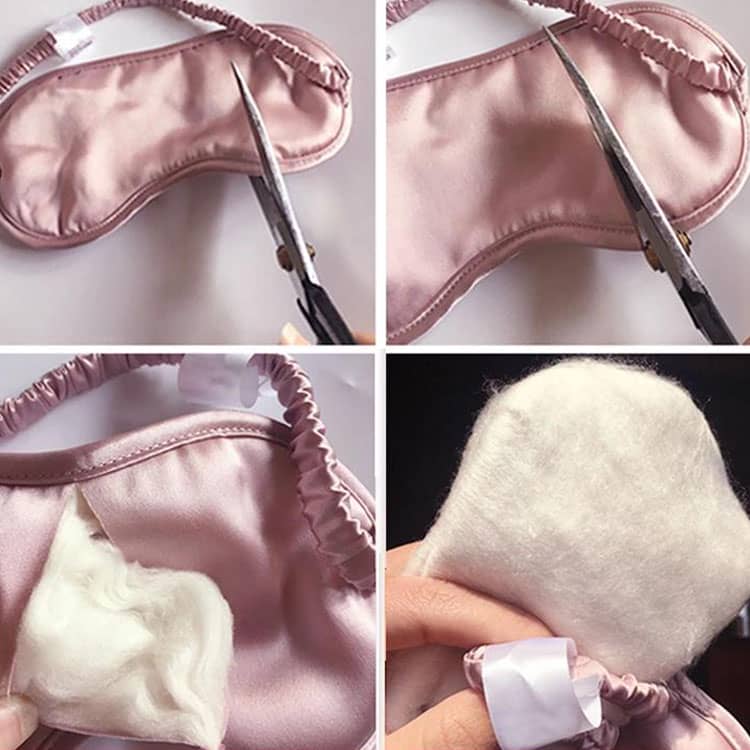
- Shell: 19–25 momme mulberry silk on the skin side; satin or cotton exterior for cost tiers on your custom sleep mask.
- Filling: 8–25 g based on climate and blackout needs.
- Construction: double needle stitching; 3D contour seams or nose darts; quilted structures for bamboo; anti-migration stitching for silk.
- Strap: 10–15 mm elastic, silk-covered, adjustable slider; nickel-free hardware.
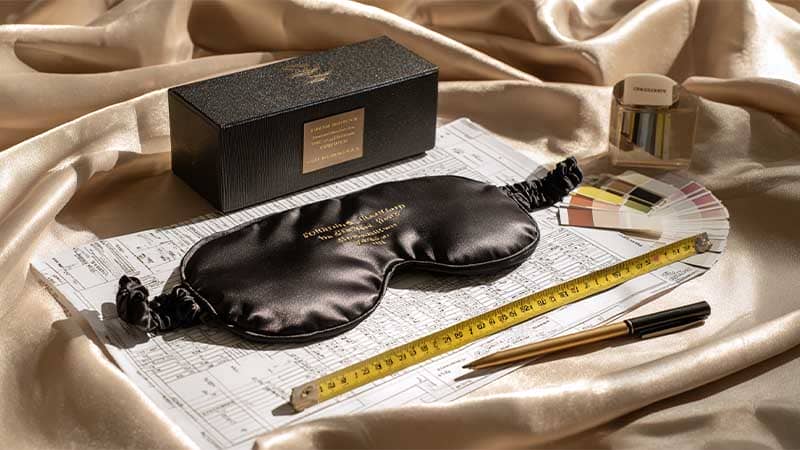
- Branding: custom Pantone color, embroidery vs printing, barcodes, and gift boxes for private label packaging.
Ask for Quote Now
When Should YOU Choose Each Filling?
- Choose mulberry silk for luxury gifts, bridal party sets, and sensitive-skin buyers.
- Choose bamboo fiber for eco messaging, spa-grade kits, and machine-wash convenience.
- Choose PP cotton for budget ranges, travel sets, and supermarkets’ private label.
You can run a tiered lineup: flagship silk, mid bamboo, entry PP cotton.
How Can YOU Improve Blackout Without Adding Weight?
- Use a 3D nose wing and darker inner lining.
- Fine-tune pattern d art positions for different face shapes.
- Place minimal foam only at the nose bridge if needed.
These small tweaks fix hot and sweaty eye mask issues without raising pressure.
Buyer Checklist For OEM/ODM Orders
- Confirm filling type, weight range, and construction method in the PI.
- Approve a pre production sample after an 8-hour wear test for heat, pressure, and light leaks.
- Verify OEKO-TEX certificates directly with the issuer.
- Run wash tests (3 cycles) and a strap elasticity durability test (72 hours).
- Align packaging: UPC/EAN, insert cards, and shipping marks; ensure FBA-ready options if needed.
This reduces returns and protects margins across Amazon and retail chains.
FAQ: Quick Answers YOU Need
- Which eye mask material is most breathable? Mulberry silk and bamboo fiber perform best in hot climates.
- What is the ideal weight for a silk eye mask filling? 12–18 g fits most users; go lighter for airplanes or tropical markets.
- Do PP cotton eye masks cause sweating? They can in humid rooms—improve airflow with a breathable lining.
- Can you machine wash a silk eye mask safely? Only if the shell and stitching are reinforced; otherwise hand wash.
- How to improve blackout without adding weight? Use a shaped nose bridge and darker inner lining.
Ready To Customize? Contact Silkua
You want reliable OEM support, clear communication, and on-time delivery. Silkua offers no MOQ, 48-hour photo-ready samples, and competitive pricing from standardized lines. You can send your artwork for embroidery or printing, choose 6A mulberry silk, bamboo fiber, Tencel, satin, cotton, or linen, and get private label packaging—from gift boxes to insert cards—ready for Amazon, Shopify, salons, and supermarkets. Contact us to request your tailored quote and compare two sample builds (silk vs bamboo) side by side, including High-Quality Silk Eye Masks for premium tiers. Secure your production slot today with Silkua and launch faster with confidence.