The Best Fabrics for Bonnets: Silk vs Satin vs Tencel for Comfort and Breathability
The fabric YOU choose for your bonnets determines their comfort, breathability, and hair protection. Whether YOU are searching for a custom bonnet manufacturer, planning a private label bonnet collection, or comparing materials for your next product launch, understanding the difference between Silk, Satin, and Tencel bonnets helps YOU make the right decision.
This guide explains how each material performs in terms of touch, durability, moisture control, and eco-sustainability. YOU’LL learn which fibers are ideal for curly hair bonnets, which suit different climates, and how blending fibers can bring your brand both premium appeal and cost efficiency.
By the end, YOU’LL know the best fabric for bonnets that aligns with your brand’s market position and your customers’ expectations for comfort and quality.
Silk Bonnets: The Gold Standard of Luxury and Hair Protection
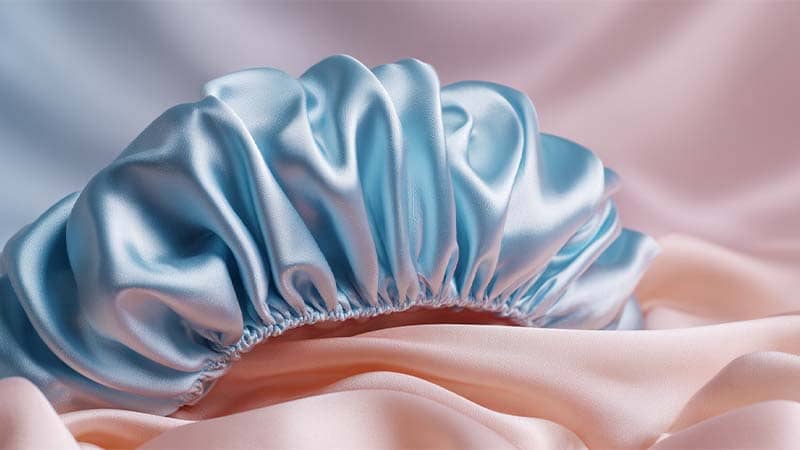
When people talk about luxury nightwear, silk bonnets are always at the top of the list. Made from 100% mulberry silk, this natural material has a smooth, non-abrasive surface that reduces friction while YOU sleep. For clients with curly or textured hair, a silk bonnet for curly hair helps retain moisture, prevent tangles, and keep strands healthy.
Silk is also naturally breathable and temperature-regulating—it keeps YOU cool in summer and warm in winter. Unlike synthetics, it’s hypoallergenic, making it perfect for sensitive skin. These benefits make silk the ideal choice for brands targeting wellness and luxury markets.
If YOU are creating high-end sleep or beauty accessories, working with an OEM silk bonnet manufacturer allows YOU to specify fabric weight, color, and embroidery options. Many beauty brands now produce custom silk bonnets with logo packaging, perfect for salons or boutique retailers looking to position their brand as refined and elegant.
Satin Bonnets: Affordable Shine With Everyday Versatility
Satin bonnets remain a favorite for mass-market buyers because they combine gloss, comfort, and affordability. Satin is not a fiber but a weaving technique, most often made of polyester or nylon. That’s why a polyester satin vs silk bonnet comparison often reveals clear trade-offs between price and performance.
For YOU as a retailer or wholesaler, satin bonnets for natural hair are a smart choice. They protect hair from rough cotton fabrics and maintain a smooth style overnight. However, because polyester satin is less breathable, it suits cooler climates or customers who prefer extra warmth.
A silk-lined satin sleep bonnet offers an effective balance between cost and comfort—it pairs satin’s shine with silk’s luxurious feel. If YOU are entering the beauty accessories market, partnering with a custom satin bonnet manufacturer in China helps YOU control production costs while maintaining consistent quality and appealing design variety.
Ask for Quote Now
Tencel Bonnets: Sustainable Comfort for the Conscious Consumer
The growing movement toward sustainability has made Tencel bonnets a modern favorite. Tencel (Lyocell) is a plant-based bonnet fabric made from sustainably sourced wood pulp. It’s soft, breathable, and moisture-wicking, keeping the scalp fresh throughout the night.
For eco-conscious customers, this material represents comfort with conscience. A Tencel bonnet manufacturer can help YOU develop lightweight, hypoallergenic bonnets suitable for all hair and skin types. Tencel’s silky smooth texture also works beautifully in blend bonnets, such as silk-Tencel or bamboo-Tencel hybrids—a growing trend in the eco-luxury market.
If YOU operate an ethical beauty or wellness brand, offering a sustainable Tencel sleep bonnet allows YOU to appeal to environmentally aware buyers who value both style and sustainability. It’s the perfect choice for who want breathability without compromising on ethics.
Fabric Comparison: Comfort, Cost, and Breathability
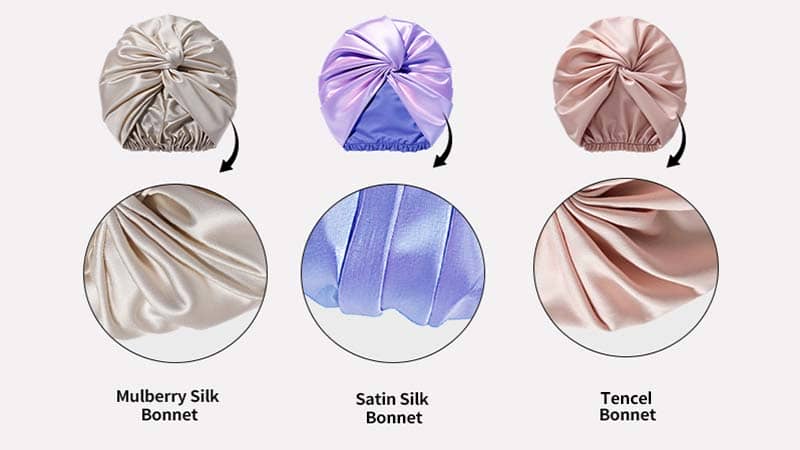
Understanding the characteristics of each fabric allows YOU to align product value with market demand. Here’s a simple overview for your night bonnet material comparison:
| Feature | Silk | Satin | Tencel |
| Fiber Type | Natural protein | Synthetic weave | Plant-based cellulose |
| Texture | Ultra-smooth, glossy, natural shine | Glossy, slick touch | Soft, breathable, cool |
| Breathability | Excellent | Moderate | Excellent |
| Moisture Control | High | Low | High |
| Eco Impact | Biodegradable | Non-biodegradable | Sustainably sourced |
| Price Category | Premium | Budget | Mid-range |
| Ideal For | Luxury & wellness brands | Affordable mass markets | Eco-friendly consumers |
From this comparison, it’s easy to see that silk bonnets dominate luxury and salon collections, satin bonnets cater to large-scale retail, and Tencel bonnets represent the future for sustainable beauty brands. Many private labels now produce eco-friendly Tencel bonnet lines to expand into green markets without raising prices dramatically.
OEM Production Tips: Choosing the Right Fabric for Your Market
Selecting the right fabric depends on your customers’ priorities and your brand positioning. A custom bonnet manufacturer can guide YOU through sample testing and production planning before large orders.
- If you’re targeting beauty salons or premium stores, collaborate on custom silk bonnet OEM projects.
- If you need scalability and price control, opt for affordable satin bonnet wholesale production.
- If your brand stands for environmental values, partner with a sustainable bonnet factory that offers Tencel bonnet OEM services.
Professional manufacturers like Silkua provide low MOQ bonnet orders, personalized bonnet packaging, and eco-certified production to match your branding strategy while ensuring consistent quality control.
Ask for Quote Now
Bonnet Care and Maintenance: Extending Longevity
Educating customers about proper care improves retention and satisfaction. Regardless of the material, YOU should always include care cards or printed labels in your packaging.
- Wash silk and Tencel bonnets by hand using pH-neutral detergent.
- For satin bonnets, a gentle machine wash works well—just avoid high heat.
- Always air dry to prevent static or shrinkage.
These simple maintenance tips ensure your products last longer, reinforcing positive reviews and higher resell potential. It also positions your brand as attentive and trustworthy within the luxury hair bonnet market.
Emerging Trends: Sustainability and Eco-Luxury
Consumer preferences are shifting toward eco-friendly bonnet fabrics that align with green values. Buyers are seeking breathable, plant-based options like Tencel or bamboo bonnets, often certified under OEKO-TEX and BSCI standards.
At the same time, demand for hybrid designs—such as silk-lined satin sleep bonnets—continues to rise across global e-commerce channels. These designs combine affordability with comfort, offering the perfect upgrade path for first-time buyers.
By integrating sustainable nightwear manufacturing practices, YOU can position YOUR brand as both stylish and responsible, ensuring long-term loyalty from eco-conscious buyers.
Which Fabric Should YOU Choose?
Your selection depends on the combination of comfort, performance, and target demographics:
- Silk bonnets are best for customers prioritizing luxury and hair protection.
- Satin bonnets serve customers seeking value and visual appeal.
- Tencel bonnets attract sustainability-driven audiences looking for breathable, ethical solutions.
Using hybrid blends—like silk and Tencel bonnet OEM—lets YOU achieve premium quality while managing costs efficiently. The key is understanding your niche and how each fabric supports your brand promise.
Ask for Quote Now
Start Your Custom Bonnet Journey with Silkua Today
Your bonnet fabric defines not only customer comfort but also your brand’s market identity. Whether YOU choose the smooth richness of mulberry silk, the elegant affordability of satin, or the cutting-edge sustainability of Tencel, the right decision builds trust and repeat business.
Act now — collaborate with Silkua’s expert OEM team to design your perfect bonnet line. We’ll help YOU choose eco-friendly, breathable fabrics, create custom samples, and guide YOU from concept to production.
Contact us today for a personalized quote and free consultation. Don’t wait—every day YOU delay, another brand captures your customer’s attention. It’s time to lead the market with bonnets that deliver beauty, comfort, and sustainability in every seam.