
Silk Sleep Mask Filling Types: Which Material Offers The Best Comfort For YOU?
A silk sleep mask isn’t defined only by the outer fabric. The filling inside shapes how it cushions YOUR face, how well it blocks light, and whether it stays comfortable through the night. In this guide, YOU’ll compare the most common filling materials—silk floss, cotton, polyester fiberfill, and foam-based options—and learn which ones suit hot sleepers, sensitive skin, lash extensions, and travel. You’ll also get a practical checklist of specs to confirm with a silk sleep mask manufacturer before YOU place a bulk order, so YOU can deliver consistent comfort and reduce returns.
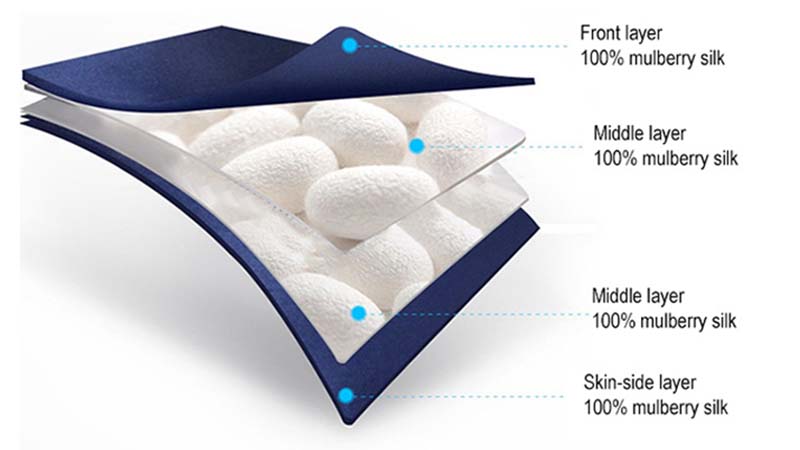
What Does “Filling” Mean In A Silk Sleep Mask?
The filling is the internal layer that gives a mask its structure, softness, and blackout performance.
It affects pressure around YOUR eyes, how the edges seal against light leaks, and how the mask holds up after repeated use.
If YOU’re sourcing for retail, spa, hotel, or gifting programs, filling choice is one of the fastest ways to upgrade perceived quality without changing the silk exterior.
Which Filling Feels The Most Comfortable For All-Night Wear?
If YOUR goal is all-night comfort for the widest range of sleepers, silk-based or breathable fiber fills usually perform best.
Silk floss (silk fiber) often feels lighter and more natural against the skin, which supports a premium positioning for a custom silk sleep mask line.
High-grade microfiber fiberfill can also be very comfortable, especially when YOU need consistent results in larger production runs.
Ask for Quote Now
How Does Silk Floss Filling Compare To Cotton Filling?
Silk floss filling typically feels less bulky on the cheekbones and tends to stay comfortable in warm or humid rooms.
Cotton filling can be soft, but it may compress faster and hold moisture more easily, which some customers interpret as “heavy” or “warm.”
If YOU’re selling into markets that prioritize “cool and breathable,” silk floss is usually a safer comfort-first choice.

Is Polyester Fiberfill A Good Choice Or Does It Feel Cheap?
Polyester fiberfill varies a lot by grade.
Entry-level fiberfill may feel uneven or overly puffy, especially after packing and shipping. Higher-grade microfiber fiberfill can feel smooth, resilient, and premium enough for wholesale silk sleep mask programs when YOU control the spec.
If YOU’re comparing quotes from a silk sleep mask supplier, ask for the exact fill type, fill weight (grams), and construction method so YOU don’t end up with inconsistent hand-feel.
What About Memory Foam: Does It Improve Comfort Or Add Pressure?
Memory foam can improve blackout because it conforms to face contours, but it may also increase heat and pressure.
For travel-focused products, memory foam can be a strong option—if YOU balance density and thickness carefully.
If YOUR customers are sensitive to pressure or prone to overheating, consider alternatives or move toward a contoured design rather than simply increasing foam thickness.
Are Molded Foam Or Laminated Padding Better For Blackout?
Molded foam and laminated padding are commonly used when YOU want stable shape and consistent light blocking across large batches.
They can be easier for a factory to standardize, which matters when YOU’re ordering at scale or producing a private label range.
The tradeoff is breathability: some laminated structures trap more heat, so they’re not always ideal for “cool sleep” positioning.
Which Filling Is Best If YOU Want Zero Eye Pressure (For Lashes Or Makeup)?
For lash extensions or anyone who dislikes eyelid contact, the winning factor is usually structure, not softness.
A 3D contoured mask with eye cups keeps the mask off the lashes and reduces pressure points. In this format, a light supportive foam often works better than fluffy loose fill because it maintains clearance—ideal if YOU’re developing a Silk Eye Mask with Eyelash Extensions positioning for salons or beauty-focused customers.
If YOU’re developing a lash-friendly line, ask an OEM silk sleep mask partner about eye-cup depth options and face-fit testing across multiple head sizes.
Which Filling Is Best For Hot Sleepers And Humid Markets?
Hot sleepers generally do best with fillings that breathe and don’t retain heat.
Silk floss is a strong candidate for a lightweight feel, and some premium microfiber fills can also perform well if engineered for airflow.
If “cooling comfort” is part of YOUR product promise, be cautious with dense foam constructions unless YOU’ve validated them with wear tests.
Which Filling Holds Its Shape Best After Washing And Long Use?
Shape retention affects comfort and customer satisfaction because a flattened mask can leak light and feel less supportive.
Structured padding and higher-grade microfiber fills often keep their form more consistently than basic cotton fill.
Whatever YOU choose, test real care routines (hand wash vs. gentle machine wash) and confirm how the mask rebounds after drying.
How Does Filling Affect Light Blocking In Real Life?
Blackout performance depends on more than thickness. Edge design, nose fit, strap stability, and coverage shape all matter.
A thicker fill can help, but if the mask shifts at night or gaps at the nose bridge, light leaks will still happen.
If maximum blackout is a selling point, validate prototypes with different face shapes and sleeping positions before YOU scale production.
What Filling Should YOU Choose For A Premium Silk Sleep Mask Brand?
If YOU want premium comfort with a clean brand story, these paths usually work best:
- Silk floss for light, breathable luxury and strong perceived value.
- High-grade microfiber fill for consistent plushness and scalable production.
- Contoured structure for lash-friendly, pressure-free wear.
For a premium line, the “best” filling is the one that matches YOUR promise—cooling, blackout, pressure relief, or travel durability—without creating heat or stiffness.
What Specs Should YOU Ask A Manufacturer To Confirm The Filling Type?
To keep comfort consistent in bulk orders, YOU should request clear specs and proof—not vague descriptions.
Ask for the filling material grade, fill weight per mask, thickness target, and how the layers are built (quilted, laminated, molded, or loose).
If YOU’re working with an ODM silk sleep mask team, also request prototype test notes: light leakage checks, pressure feedback, and strap durability results.
How Can YOU Balance Comfort, Cost, And MOQ For Bulk Orders?
A practical approach is to develop two SKUs: a “comfort premium” option and a “best value” option, keeping the silk outer fabric consistent.
Then YOU can test which one performs better with YOUR customers—comfort perception, blackout satisfaction, and repeat purchase intent.
This reduces guessing and helps YOU build a clear pricing ladder without overcomplicating production.
Should YOU Source A Silk Eye Mask And Silk Sleep Mask From The Same Factory?
Many buyers use “silk eye mask” and “silk sleep mask” interchangeably, but product expectations can differ by market.
If YOU plan to expand into related items, it can be efficient to work with a partner that also offers wholesale silk eye mask options, consistent dye lots, and matching packaging standards—especially when YOU’re building a product line and want one clear Silk Eye Mask Filling Comparison framework for sampling and QC.
A reliable silk eye mask manufacturer should be able to explain construction differences clearly—especially if YOU want both flat masks and contoured masks in one product family.
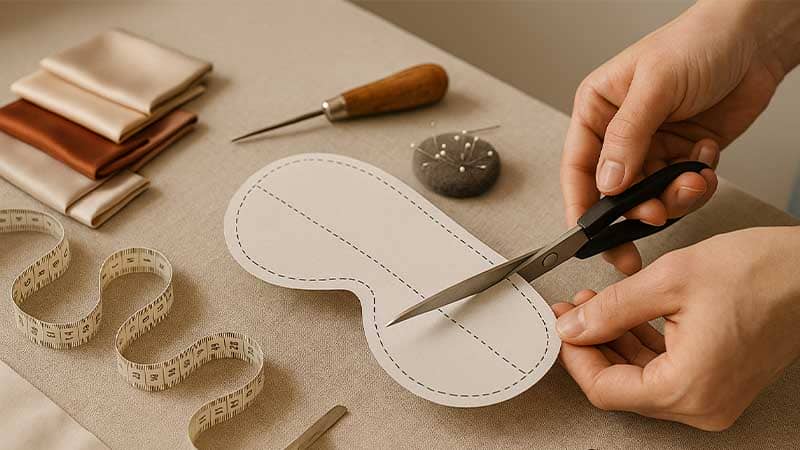
Ready To Develop YOUR Ideal Silk Sleep Mask?
If YOU want a silk sleep mask that customers immediately feel is “worth it,” YOU need the right filling spec, the right pattern, and QC that stays consistent batch after batch.
Contact Us to request samples and a fast custom quote from Silkua. Fill out our inquiry form today—YOU’ll save time on revisions, reduce return risk, and get a comfort profile that truly matches YOUR brand positioning.