
Common Quality Issues In Silk Pillowcases And How To Prevent Them At The Factory
Silk pillowcases can be a powerful hero product for YOUR brand—high perceived value, great for gifting, and perfect for beauty and sleep‑care positioning. But if the quality is inconsistent, YOU will quickly face negative reviews, high return rates, and damaged brand trust.
This guide walks YOU through the most common quality issues in silk pillowcases and shows exactly how to prevent them at the factory level. YOU will learn what to check in fabric, dyeing, cutting, stitching, labeling, and packaging, and how to build a practical silk pillowcase quality control checklist so your products arrive looking and feeling premium—every time. These principles apply whether YOU work with an OEM silk pillowcase factory in China or another silk pillowcase manufacturer for private label.
Color Inconsistency Between Batches
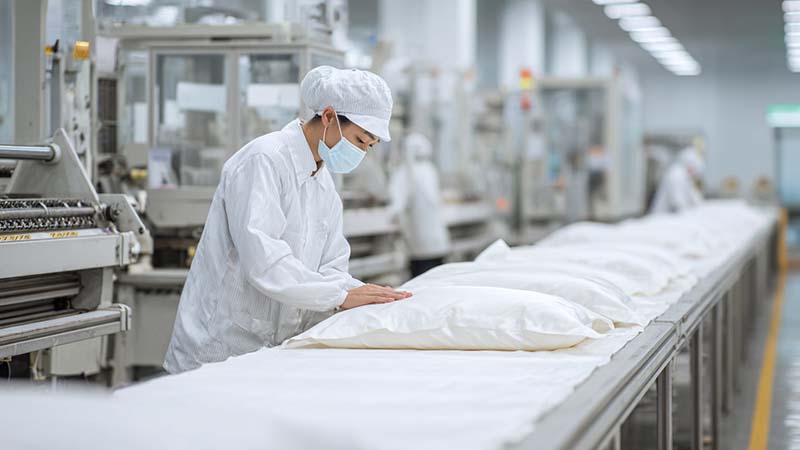
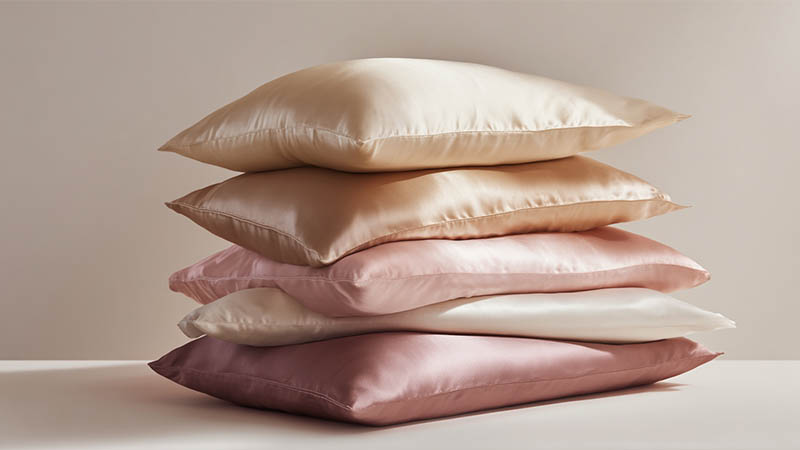
Color inconsistency is one of the fastest ways to make a collection look cheap and unprofessional. Customers notice when “Champagne” pillowcases from two orders don’t match, which can trigger returns and hurt YOUR listings.
YOU can prevent this with clear controls that any serious silk pillowcase supplier should follow:
- Lock Pantone or color standards and keep a digital + physical swatch library.
- Require your factory to use the same dye lot for each production run whenever possible.
- For repeat orders, send a “golden sample” and require lab dips to be approved against it.
- Include color tolerance in your spec sheet (for example ΔE ≤ 1.0 in lab test).
Ask your silk pillowcase factory to sign off on a color continuity policy, so YOUR product photos, brand look, and real‑life goods always match across all batches.
Uneven Sheen And Surface Streaks
Silk’s natural sheen is a big selling point in any luxury silk pillowcase collection. If the surface looks streaky, dull in some areas, or overly shiny in others, customers immediately question authenticity and may suspect fake silk.
Common causes include poor weaving, tension issues, or uneven finishing at the mill.
YOU can reduce this risk by:
- Specifying silk grade (for example, 6A) and momme weight in your purchase order.
- Visiting or auditing the mill (or asking for weaving process documentation).
- Inspecting bulk fabric rolls under uniform lighting before cutting.
- Rejecting rolls where sheen or weave is visibly inconsistent.
Make sure your QC team includes this point in your silk pillowcase inspection standards, checking pillowcases laid flat under white light for streaks before packaging.
Thin Spots, Snags, And Weaving Defects
Small weaving defects turn into big problems after a few washes. Thin spots, snags, or tiny holes may pass casual inspection but will show up quickly in real customer use and lead to “low durability” complaints.
These issues often come from:
- Poor yarn quality.
- Incorrect loom settings.
- Lack of inline inspection at the mill.
YOU should:
- Specify yarn quality and require documentation from the silk yarn supplier.
- Use a third‑party or in‑house inspector to check fabric on the inspection machine.
- Define what counts as a “critical defect” (for example, any hole or line >1 cm).
- Set acceptable defect levels per 100 meters of fabric.
Include clear reject criteria in your quality agreement, not just in verbal discussions. This should be part of your overall AQL sampling plan for silk pillowcase quality control.
Incorrect Momme Weight And Fake “Silk”
One of the most damaging issues for your brand is when the product is not what YOU claim it is: either the momme weight is lower than promised, or the fabric is not 100% silk at all. This is a common problem in cheap silk pillowcases that are actually polyester satin, and it often becomes obvious when customers compare 19 Momme vs 22 Momme Silk in terms of thickness, drape, and durability.
YOU can prevent this by defining precise specs such as “100% mulberry silk, 22 momme, charmeuse weave,” using third‑party lab tests to confirm fiber content and momme weight, randomly cutting small fabric samples from bulk and sending them for testing, and requiring suppliers to agree to financial penalties for non‑conforming fabric. Never rely solely on the supplier’s word or certificates; independent verification protects YOUR brand credibility and helps YOU avoid “fake silk” accusations in reviews or in your Amazon and DTC silk pillowcase listings.
Ask for Quote Now
Poor Stitching And Weak Seams
Even with excellent fabric, weak seams cause tearing, open edges, and returns. Customers may complain that the pillowcase “fell apart” after a few washes, which quickly damages ratings on platforms where YOU sell silk pillowcases for ecommerce brands or position them as custom pillow cases for specific audiences. Typical stitching problems include loose threads and untrimmed ends, irregular stitch length, weak seam strength at the opening, and poorly finished inside edges that fray.
At the factory, YOU should specify minimum seam strength and stitch density (for example, 10–12 stitches per inch), choose seam types that suit silk, like French seams or well‑overlocked inner seams, require a 4‑point or 10‑point inspection system on sewing lines, and include seam strength checks in your final inspection protocol (pull tests). Request detailed sewing operation sheets and sample photos so your expectations are fully documented in your silk pillowcase tech pack.
Misaligned Sizes And Poor Fit On Pillows
If your silk pillowcases are too tight, they’re difficult to put on. If they’re too loose, they look sloppy and cheap. Inconsistent sizes across a batch are a common complaint, especially for customers used to standard US and EU pillow sizes.
To control sizing quality:
- Clearly define finished size (for example, 20″ x 26″ for US Standard) and tolerances.
- Confirm whether measurements are “before wash” or “after wash” and test shrinkage.
- Run pre‑production tests with actual pillows from your target market.
- Have QC measure a random sample of each batch with calibrated tools.
Make sure the cutting team at the factory has clear patterns and cutting markers, not just rough manual guidelines. This is a key point in any silk pillowcase quality control checklist for brands.
Excessive Shrinkage Or Distortion After Washing
Silk is delicate; if not pre‑treated correctly, it can shrink or twist after washing, leading to bad reviews and warranty claims. Customers expect premium silk pillowcases to keep their shape over time.
Excessive shrinkage usually comes from:
- Inadequate pre‑shrinking or finishing.
- Incorrect washing instructions relative to the fabric finish.
- Non‑stable dyeing or poor setting.
YOU can manage this by:
- Requiring the factory to perform wash tests on pre‑production samples.
- Defining acceptable shrinkage (for example, ≤3% in length and width).
- Verifying the test method (water temperature, detergent, cycle length).
- Matching care labels (hand wash vs machine wash) to real test results.
Do not promise “machine washable” in silk pillowcase ecommerce listings unless tests support it, or YOU will see a spike in returns and complaints.
Color Fading, Bleeding, Or Staining
When a dark silk pillowcase bleeds color onto white sheets or stains hair, YOUR brand’s reputation suffers immediately. This is one of the most common customer complaints about silk pillowcases in online reviews.
Causes often include:
- Low‑quality dyes or insufficient fixation.
- Inadequate washing and rinsing after dyeing.
- Skipped colorfastness testing.
YOU should:
- Require standard colorfastness tests: washing, rubbing, and perspiration.
- Set minimum grades (for example, ≥3–4 for washing and rubbing).
- Ask your factory to provide test reports from a credible lab.
- Conduct independent spot tests: soak a piece with white cotton to see if bleeding occurs.
Communicate any limitations clearly in care instructions to avoid unrealistic customer expectations and to reduce negative reviews on silk pillowcases.
Rough Or Irritating Surface Finish
Customers choose silk pillowcases to protect skin and hair. If the surface feels rough, sticky, or “grabby,” YOU will see a spike in complaints and product returns, even if the fiber content is technically correct.
This usually results from:
- Low‑grade silk or mixed fibers.
- Poor finishing and lack of proper softening.
- Over‑aggressive mechanical processes that damage the filament.
At the factory level:
- Specify desired hand feel (for example, “buttery, smooth, non‑sticky”).
- Approve finishing samples before bulk production.
- Conduct fingertip and cheek tests on random pieces from each batch.
- Compare to your golden sample regularly.
Don’t just rely on visual inspection; touch and skin feel are critical for this product category, especially if YOU position your items as anti‑aging silk pillowcases or beauty products.
Visible Defects: Stains, Spots, And Odors
Even the best sewing job is wasted if the pillowcase arrives with oil stains, dye spots, or a strong chemical smell. These issues are immediately visible when the customer opens the package and can ruin the unboxing experience of a silk pillowcase gift set.
YOU can reduce this risk by:
- Ensuring proper cleanliness standards in cutting and sewing areas.
- Requiring the factory to store finished goods in clean, dry, odor‑free spaces.
- Including stain and odor checks in final inspection criteria.
- Rejecting any cartons with evidence of moisture, mold, or contamination.
Ask the factory to document their storage and packing conditions, especially for large or long‑term orders that serve as bulk silk pillowcase production for ecommerce brands.
Low‑Quality Zippers Or Envelope Closures
Closures are often ignored in specs, but customers notice if zippers snag hair or break, or if envelope closures gape open. This directly impacts comfort and how buyers rate YOUR luxury silk pillowcases.
To control closure quality:
- Decide between envelope style, side zipper, or hidden zipper based on YOUR market.
- Specify zipper brand, length, color, and placement if using zippers.
- Test closure durability with repeated opening/closing cycles.
- Check that envelope overlaps are wide enough to keep pillows hidden (for example, 15–20 cm overlap).
Include closure photos and diagrams in your tech pack and share them with your silk pillowcase manufacturer to avoid misunderstanding.
Inaccurate Or Misleading Labels
Incorrect composition labels, care instructions, or “silk” claims are not only bad for reviews—they can also create legal and compliance problems in different markets.
YOU should:
- Prepare label text yourself and have the factory follow exactly.
- Ensure fiber content and care instructions match lab test results.
- Check that languages and required information match your target markets.
- Inspect actual labels during pre‑production and final inspections.
Mislabeling is a major red flag for customers who care about real silk and long‑term trust. Clear, accurate labels also support your brand story if YOU promote benefits like hypoallergenic mulberry silk pillowcases for sensitive skin.
Inadequate Packaging And Shipping Protection
Silk is delicate and can be damaged during shipping if not protected properly. Creases, moisture, and contamination all cause complaints and undermine the premium positioning of your high‑end silk pillowcase gift sets and any Customized silk pillowcase packaging you design for your brand. To safeguard pillowcases, specify individual polybags or gift boxes with protective inserts, require moisture‑absorbing packets in each carton, set clear packing quantities per carton to avoid crushing, and ask for carton drop tests and transport simulations if you ship long distances.
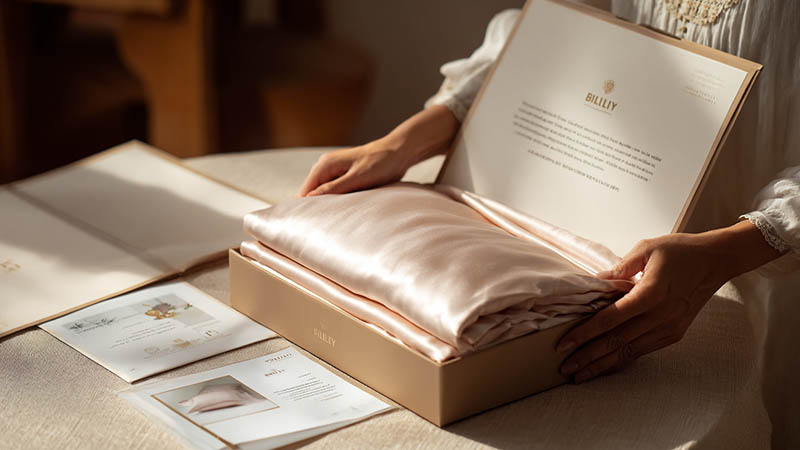
Packaging is also part of your brand experience; aligned design and protection help YOU justify premium pricing and support unboxing experience content for influencers and customers.
How To Build A Practical QC System With Your Factory
To truly prevent quality issues, YOU need a system, not just occasional checks. A structured approach to how to prevent defects in silk pillowcases at the factory will quickly reduce your return rate and protect margins, while also helping you uncover some of the Hidden Costs In Silk Pillowcase Manufacturing such as rework, product returns, rush shipments, and damaged brand reputation.
A simple but effective structure is to use pre‑production to approve fabrics, colors, finishing, and a golden sample; conduct inline inspection to check fabric rolls and sewing lines at 30–50% production; perform final inspection that follows agreed AQL standards with clear defect categories; and maintain thorough documentation with photos, reports, and corrective action plans for any issues. Choose a factory that is experienced with silk, not just generic textiles. When YOU evaluate a new silk pillowcase manufacturer for private label, ask for their existing QC process for silk pillowcases, review sample reports, and refine the system together based on your target markets and channels.
Take Action Now: Protect Your Silk Pillowcase Quality With Silkua
Every return, bad review, and warranty claim on silk pillowcases costs YOU money and weakens your brand. The fastest way to protect your business is to control these quality issues at the factory, before they ever reach your customer.
Silkua specializes in manufacturing high‑quality silk pillowcases with strict, silk‑specific QC systems—from fabric sourcing and dyeing to stitching, labeling, and final inspection. If YOU want a partner who understands real silk standards, momme control, ecommerce requirements, and how to reduce return rate on silk pillowcases, Silkua is ready to support your next collection.
Visit our Contact Us page or send your requirements now to get a tailored quotation, fabric suggestions, and a clear sample plan. The sooner YOU align with a reliable silk factory, the faster YOU can improve consistency, cut defects, and scale your premium pillowcase line with confidence. Take the next step today with Silkua and secure the long‑term quality your customers expect.