Silk, Bamboo, Tencel, Or Cotton Blends For Pajamas: Pros, Cons, And MOQ Tips For Brands
You want pajamas that feel amazing, wear well, and scale profitably. This guide compares silk, bamboo, Tencel, and cotton blends with practical specs, care and QC notes, and real‑world MOQ negotiation tips. You also get a pajama fabric GSM and momme guide, pointers on colorfastness standards, and ideas to cut returns with better fabric specs. By the end, YOU can spec the right fabric for your audience and place confident POs.
Who Is This Guide For?
- DTC and marketplace brands upgrading quality without killing margin.
- Private‑label buyers comparing pajama fabric options for hot humid weather and winter capsules.
- Designers weighing silk vs bamboo vs Tencel vs cotton for sensitive skin and night sweats.
- Ops teams targeting fewer returns and faster replenishment.
What Are The Core Fabric Options?
- Silk: luxury hand, thermoregulating, premium AOV.
- Bamboo (viscose from bamboo): cool touch, easy care when blended, strong for hot sleepers.
- Tencel Lyocell: smooth, eco‑forward, reliable moisture management.
- Cotton blends: robust, familiar, budget‑friendly.
Use blends to balance softness, durability, and machine‑wash performance.
How Does Silk Perform For Pajamas?
Pros
- Exceptional drape; gentle on skin and hair; hypoallergenic silk pajamas benefits.
- Thermoregulating across seasons; premium perceived value for bridal gifts.
Cons
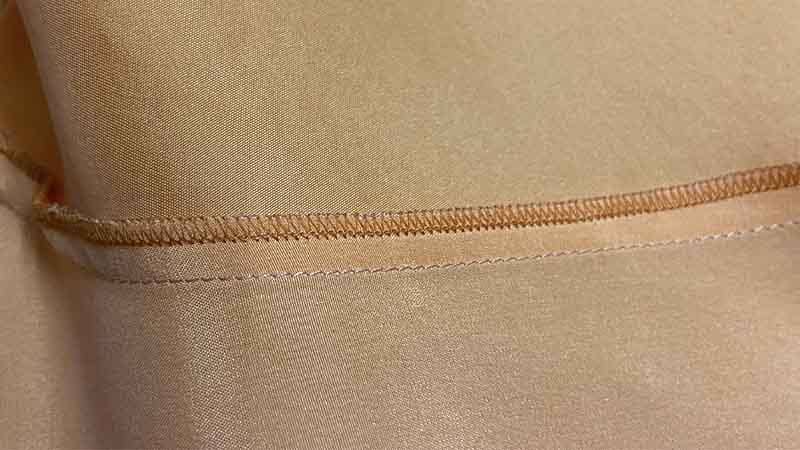
- Higher cost and care sensitivity; needs careful seam construction for silk pajamas.
- Watch seam slippage and color bleeding on darks.
Specs To Request
- 19–22 momme mulberry silk satin (25 momme for winter).
- 6A grade, OEKO‑TEX certified; French seams, 3–5 stitches/cm.
- Colorfastness Grade 4+; seam slippage limits per your testing standards.
Use‑Cases
- Luxury sets, bridal capsules, influencer collections where AOV lift matters, and brands offering custom silk pajamas for giftable, one‑of‑a‑kind orders.
Ask for Quote Now
Is Bamboo (Viscose) Right For Your Audience?
Pros
- Cool and breathable; great for hot sleeper pajamas.
- Soft hand with good drape; machine‑washable in the right blend.
Cons
- Pure viscose can pill; control with yarn quality and finishing.
- Shrinkage must be dialed in with process controls.
Specs To Request
- 180–220 GSM bamboo jersey with 3–6% spandex for recovery.
- Pilling resistance Grade 4+; shrinkage ≤3%; enzyme silicone finish.
- Flatlock seams in high‑friction zones to reduce chafe.
Use‑Cases
- Everyday lounge sets, maternity sleepwear, warm‑climate lines with eco messaging.
What About Tencel Lyocell?
Pros
- Silky glide and strong moisture management; color holds well.
- Sustainable story (closed‑loop), helpful for brand positioning.
Cons
- Mid‑high cost tier; can show press lines if overdried.
- Needs tuned stitch tension to avoid impressions.
Specs To Request
- 160–220 GSM Tencel jersey or twill; Tencel cotton blend pajamas for resilience.
- Shrinkage ≤3%; bio‑polish to reduce fuzz; softener plus light calendaring.
Use‑Cases
- Elevated daily pajamas, unisex travel sets, eco‑elevated assortments.
Where Do Cotton Blends Win?
Pros
- Familiar feel, easy care, wide color libraries, predictable cost.
- Strong supply chain and MOQ flexibility; great for family matching sets.
Cons
- Pure cotton can trap moisture; heavier weaves may feel warm in humid climates.
- Wrinkles without finishing or blending.
Specs To Request
- 160–220 GSM cotton modal blend or cotton Tencel 70/30.
- Add 3–5% elastane for comfort stretch; torque and shrinkage control.
- Reinforced hems and coverstitching in stress areas.
Use‑Cases
- Entry‑to‑mid tiers, budget‑friendly programs, promo volumes.
Should YOU Choose A Blend Instead Of 100%?
- Silk + Spandex (95/5): sheen plus stretch, better durability.
- Bamboo cotton blend pajamas (60/40–70/30): cooler feel with added structure.
- Tencel cotton 70/30 pajama fabric pros: smooth hand, better moisture control.
- Cotton modal 60/40 lounge set advantages: soft, resilient, easy‑care.
Blends help lower pilling risk, improve recovery, and stabilize shrinkage.
How Do These Fabrics Compare On Climate And Skin Feel?
- Hot/humid markets: bamboo viscose pajamas and Tencel excel at moisture control.
- Four‑season versatility: 19–22 momme silk moderates temperature well.
- Sensitive skin: silk and Tencel feel gentler; keep seams smooth and dyes mild.
- Winter sets: heavier GSM cotton blends or Tencel twills add warmth.
What GSM Or Momme Should YOU Target?
- Silk: 19–22 momme for most sets; 25 momme for luxe winter lines.
- Bamboo/Tencel jerseys: 180–220 GSM for opacity and drape.
- Wovens: 120–160 GSM poplin/twill for temperate seasons; go heavier for cold.
Match weight to audience: lightweight summer pajama fabrics vs cozy winter options.
Ask for Quote Now
What Construction Details Improve Comfort And Longevity?
- Seams: French or bound seams on silk; flatlock seams for lounge and sleepwear.
- Waist: plush‑back elastic; channel designs for easy replacement.
- Hardware: low‑profile, dyed‑to‑match buttons; nickel‑free.
- Fit: relaxed ease; bar‑tacks at pocket entries.
What Lab Tests And QC Checks Reduce Returns?
- Colorfastness standards for pajama fabrics: target Grade 4+.
- Pilling tests for pajama knits: aim Grade 4+ on bamboo and modal.
- Shrinkage tolerance for pajama garments: ≤3% length/width.
- Seam slippage checks on silk; needle size and stitch density tuned.
- Pre‑production sample testing: 3‑wash wear test before bulk.
How Do Costs And MOQs Typically Compare?
- Silk: highest material cost; typical garment MOQs 100–300 sets per color.
- Bamboo/Tencel: mid‑high; 150–400 sets per color common.
- Cotton blends: most flexible; 100–300 sets workable with many factories.
Ask about low MOQ pajama manufacturer silk pilots or bamboo pajama factory MOQ by color to start lean.
Ask for Quote Now
What MOQ Strategies Help Small And Scaling Brands?
- Color consolidation and shared trims to reduce pajama MOQ.
- Greige fabric booking for pajama startups to dye late after demand signals.
- Size curve planning to front‑load core sizes.
- Use the supplier’s running colors to avoid dye surcharges.
- Bundle top and bottom in one PO to unlock tiered pricing.
How Can YOU Negotiate Better Terms?
- Present a six‑month buy plan with volume tiers and lead time planning.
- Trade faster tech‑pack approvals for lower MOQs or shorter turns.
- Accept in‑stock trims and packaging where possible.
- Request pilot pricing with a firm follow‑up if KPIs hit.
Which Fabric Fits Each Brand Positioning?
- Luxury: 22–25 momme silk Sleep sets; premium details; giftable packaging.
- Eco‑elevated pajama brand messaging: Tencel and bamboo blends with credible certifications.
- Family/lifestyle: cotton modal blends; wide size runs and easy care.
- Hot sleepers: breathable pajama fabrics for night sweats with mesh gussets.
What Care Instructions Reduce Complaints?
- Silk: delicate bag, neutral detergent, steam only; add QR code care guides for clarity.
- Bamboo/Tencel: cold gentle wash, low tumble, remove promptly.
- Cotton blends: warm gentle cycle, tumble low, cool iron.
Provide dark color wash guidance for pajamas to prevent transfer on first washes.
How Should YOU Plan Your First Production?
- Approve lab dips early; lock trims; confirm waistband elastic specs for pajamas.
- Validate fit and drape with small preorder tests.
- Build a pajama sourcing guide for DTC teams: from fabric booking to PPS approval.
- Buffer logistics time and confirm customs considerations for silk garments.
Ready To Source Smarter? Take Action Now
You now have a practical pajama fabric comparison across silk, bamboo, Tencel, and cotton blends—plus specs, QC, and MOQ tactics. Don’t wait for peak season to close. Fill out the inquiry form now or Contact us to request a custom quote with two comparative builds (e.g., bamboo jersey vs 19‑momme silk satin), lab‑test targets, and lead‑time options. Act today to lock capacity, shorten sampling, and launch pajamas your customers rave about.