
Pillowcase Material Selection: The Ultimate FAQ Guide for Brand Buyers
Are you sourcing pillowcases for a luxury textile line, beauty accessory collection, or home essentials brand? Choosing the right material isn’t just about softness or color—it directly impacts product quality, customer satisfaction, and your brand’s market position.
With so many options available—like silk, bamboo, cotton, satin, and Tencel—it can be challenging to decide which fabric best matches your business goals and customer expectations. Factors like fabric durability, skin benefits, certification requirements, and customization potential all play a role in making the right choice.
This FAQ guide is designed specifically for brand buyers, distributors, and sourcing managers who are looking to make informed decisions when selecting pillowcase materials. Whether you’re launching a new product line or improving your current offering, you’ll find practical answers to the most common questions about fabric differences, quality standards, customization options, and how each choice affects your bottom line.
At Silkua, we help global clients turn high-quality materials into standout products through OEM, ODM, and wholesale services. If you’re ready to select the ideal pillowcase material for your brand, this guide will give you clarity, direction, and confidence.
What Are the Most Common Materials Used for Pillowcases?
The most popular pillowcase materials include silk, cotton, bamboo, Tencel, polyester satin, and linen. Each has unique properties in terms of softness, durability, breathability, and cost.
If your product line focuses on comfort and elegance, silk or bamboo is ideal. For basic or large-volume needs, cotton and polyester satin offer better pricing. Many brands today also explore options like the Tencel pillowcase, known for its sustainable production and ultra-smooth feel.
Download Catalogue!
Download our catalog to view all of our products and select the silk product you want for your project.
What Is the Difference Between Silk and Satin Pillowcases?
Silk is a natural fiber with skin-friendly and breathable properties. Satin, on the other hand, refers to a weaving style, and is often made from polyester or nylon.
Many buyers ask, “Is silk or satin pillowcase better?” The answer depends on your brand’s positioning and customer expectations. If your focus is on offering real skincare benefits, anti-frizz performance, and long-lasting luxury, silk is the superior choice. Satin provides a similar smooth feel at a lower cost, which works well for value-driven product lines but lacks the natural advantages of pure silk.
Understanding the difference between a silk vs satin pillowcase is key when choosing for your brand. Silk offers real skincare and anti-aging benefits, while a satin pillowcase provides a similar texture at a more affordable price point, but without the natural advantages.
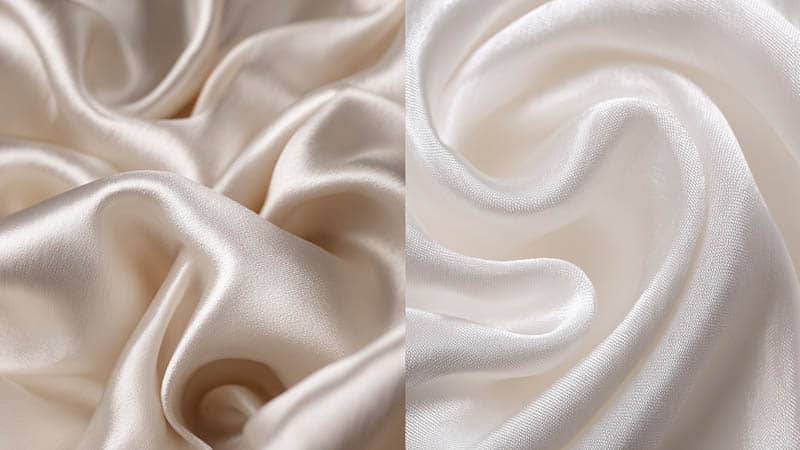
Why Is Silk Considered the Premium Choice for Pillowcases?
Silk pillowcases are known for their luxury appeal, skin benefits, and hypoallergenic properties. They help retain moisture, reduce friction, and provide a high-end sleep experience.
This makes silk especially suitable for product lines in home textiles, skincare accessories, and premium gift sets. If you’re aiming to offer the best silk pillowcases on the market, focusing on silk quality and fabric weight is essential.
Is Mulberry Silk Better Than Other Types of Silk for Pillowcases?
Yes. Mulberry silk is the highest-grade silk, offering superior softness, strength, and consistency. It’s produced from silkworms fed exclusively on mulberry leaves.
Using a mulberry silk pillowcase ensures your product meets luxury standards. It’s the preferred choice for brand owners who prioritize long-term quality and customer satisfaction.
What Is Momme in Silk, and Why Is It Important?
Momme (mm) measures the weight and density of silk fabric. For pillowcases, a 19 to 25 momme range is ideal.
Higher momme silk (22–25mm) feels thicker and lasts longer, making it a better fit for premium collections and repeat buyers seeking durability. In fact, the lifespan of a silk pillowcase is directly influenced by its momme weight—higher momme means greater resistance to wear, washing, and daily use. This is especially important when sourcing wholesale silk pillowcases for long-term customer value.
Ask for Quote Now
How Does Bamboo Fabric Compare to Silk for Pillowcases?
Bamboo is soft, breathable, and eco-friendly. It appeals to customers who value sustainable textile options. However, it doesn’t offer the same beauty and skincare benefits as silk.
A bamboo pillowcase is a great option if your brand emphasizes green values or vegan-friendly materials, but it won’t deliver the same luxury appeal as real silk.
What Material Is Best for Acne-Prone or Sensitive Skin?
Silk is the best option for sensitive or acne-prone skin. Its smooth texture reduces friction and skin irritation. It’s also naturally hypoallergenic and resistant to dust mites.
Many buyers ask, “Are silk pillowcases good for your skin?”—and the answer is yes. Silk helps retain moisture, prevents sleep lines, and supports cleaner, healthier skin. This makes silk pillow cases a great choice for beauty-related product lines and wellness-focused consumer segments. If budget is a concern, some brands explore the imitation silk pillowcase as a more accessible alternative.
How Should You Choose the Right Pillowcase Material for Your Business?
Start by defining your target customers and product goals.
- For luxury positioning → choose 100% mulberry silk (22–25mm)
- For natural, sustainable products → consider bamboo or Tencel
- For cost-effective distribution → polyester satin or cotton may be better
Also consider factors like MOQ, packaging needs, embroidery or printing, and delivery timelines. Our team can help you create custom pillow cases that match your brand identity and market needs.
Can You Customize Pillowcases with Logos and Packaging?
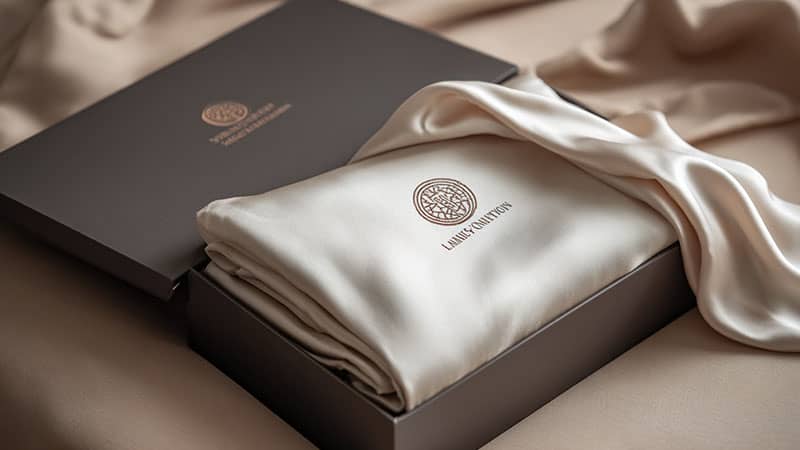
Yes. At Silkua, we provide full customization services including:
- Embroidery or printed logos
- Branded woven labels
- Custom packaging and gift boxes
These enhancements help increase perceived value and support retail presentation or ecommerce branding.
Ask for Quote Now
What Certifications Should You Look for When Buying Silk Pillowcases?
To ensure quality and compliance, request certifications such as:
- OEKO-TEX® Standard 100 – verifies no harmful chemicals
- SGS or Intertek test reports – for safety and quality verification
- ISO 9001 – ensures consistent production management
Certifications help you build trust in regulated markets like Europe, North America, Singapore, and Japan.
Why Material Selection Matters for Your Pillowcase Brand
Choosing the right pillowcase material is a strategic decision. It influences your product appeal, pricing flexibility, and customer satisfaction. Whether you’re developing a high-end silk collection or an eco-conscious fabric line, material selection is key.
At Silkua, we offer:
- A wide range of fabrics including silk, bamboo, Tencel, cotton, and satin
- Full OEM/ODM customization
- Logo branding and packaging solutions
- Fast production and global delivery
Ask for Quote Now
Get a Custom Quote Today — Your Ideal Pillowcase Starts Here
Looking to create a pillowcase line that stands out in quality, comfort, and branding? Whether you’re developing a luxury silk range or an eco-friendly bamboo collection, choosing the right material is just the first step.
At Silkua, we turn your ideas into market-ready products — fast.
✅ Expert guidance on materials, design & packaging
✅ Full OEM/ODM customization for your brand
✅ Low MOQs and fast global delivery
✅ Transparent pricing and flexible options
Contact us today to take the first step toward your custom pillowcase solution.
👉 Click here to fill out our inquiry form or email us directly at info@silkuasilk.com to get your personalized quote within 24 hours.