Private Label Silk Robes: Size Grading, Belt Placement, And Shrinkage Control
When YOU are developing private label silk robes, technical precision matters as much as design aesthetics. The right size grading ensures every robe fits your customers comfortably across different body types. Proper belt placement improves both style and function, while shrinkage control protects your brand from costly returns and dissatisfied reviews.
This article will guide YOU through all critical aspects of private label production. From grading charts to prototype testing, YOU will see how careful planning reduces risk and maximizes customer satisfaction. By the end, YOU will also understand why choosing the right supplier makes or breaks your success in the silk garment industry.
Why Size Grading Matters In Private Label Silk Robes
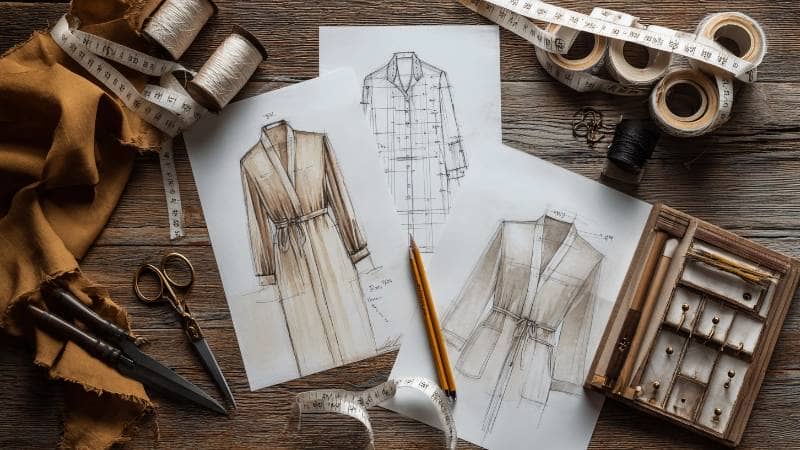
If YOUR silk robes size chart for private label is inaccurate, buyers will complain about inconsistent fits. Unlike stretch fabrics, silk lacks elasticity, so even a small grading mistake can cause issues when scaling multiple sizes.
Professional silk robe grading standards cover bust, waist, hips, sleeve length, and overall length. YOU should provide clear parameters based on YOUR target market. For example, luxury U.S. boutiques may require longer hemlines, while Asian markets often prefer shorter lengths. Using a tailored grading factory process ensures consistency across bulk production.
How To Standardize Size Charts For Global Customers
Selling private label silk sleepwear worldwide requires clarity. A size “M” differs across regions, which often confuses customers shopping online. YOU can solve this by creating precise charts in inches and centimeters, including tolerance ranges (±1–2 cm).
Adding visuals or downloadable charts on YOUR website will also reduce returns. When paired with silk robe prototype testing before full-scale production, YOU can confirm that styles work across demographics. This is especially important when YOU target bulk silk robes for retail stores in multiple countries.
The Importance Of Belt Placement In Custom Silk Robes
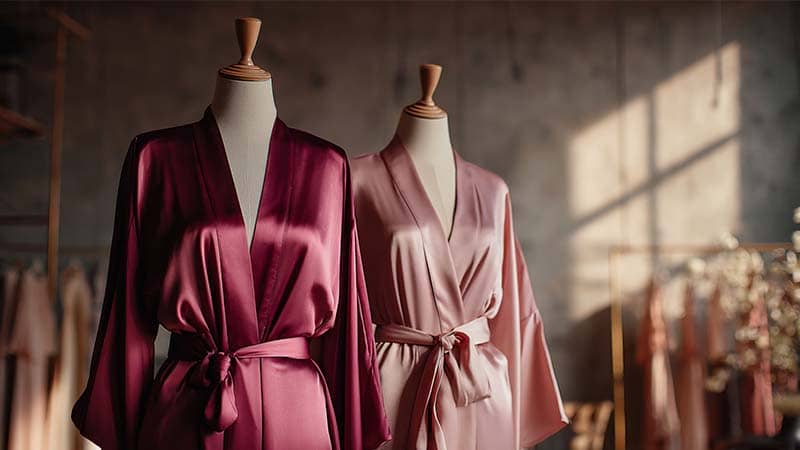
The position of the belt impacts both comfort and appearance. If the belt placement in custom silk robes is too high, the style looks unbalanced. If it is too low, the silhouette becomes sloppy. Aligning belts with the natural waist is best for spa robes, while slightly higher placement creates a chic look for luxury silk robes for boutique labels.
YOU should experiment with prototypes until YOU find the sweet spot. This process not only improves customer satisfaction but also strengthens YOUR reputation as a private label luxury silk robes supplier.
Should You Use Inner Ties Or External Belts?
Robes with only external belts may slip open, while those with both inner ties and outer sashes give customers more security. For custom silk robes private label collections, combining both is a winning strategy.
Wide belts create statement pieces for fashion boutiques, while practical ties are better suited for private label silk robes for spas and hotels where durability matters. Adding both options sets YOUR brand apart and adds perceived value.
Ask for Quote Now
Shrinkage Risks In Silk Robe Production
Natural fibers like silk are prone to shrinkage, which can ruin sizing consistency. Without proper preparation, YOUR high quality silk robes bulk production may arrive at customers’ homes smaller than expected. This problem directly impacts brand trust and leads to negative reviews.
The answer is controlled pre-treatment. YOU must ask whether your factory uses pre-shrunk fabric and tests for shrinkage tolerance. Failing to do so means YOU’ll pay for returns instead of profits.
How To Test Shrinkage Before Mass Orders
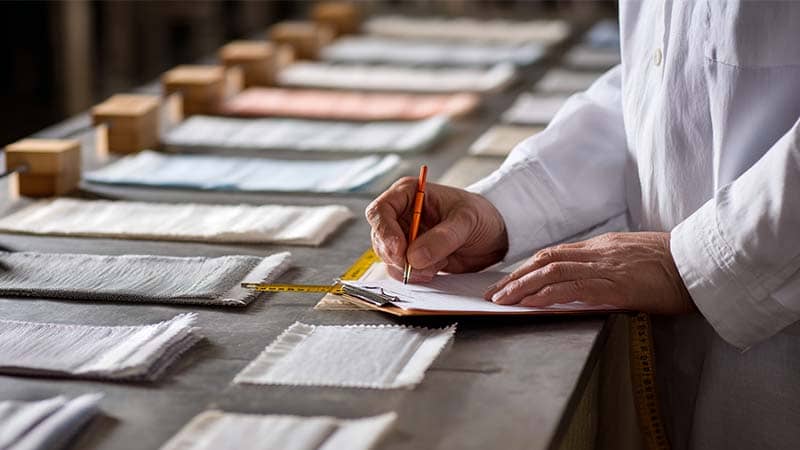
Before approving a large order, run a shrinkage test:
- Cut sample swatches from YOUR chosen fabric batch.
- Wash them under standard customer-use conditions (e.g., 30°C gentle wash).
- Measure before and after.
- Confirm shrinkage remains below 3%, or request adjustments.
Including this step in YOUR OEM silk robes manufacturing process ensures predictable sizing. Many reputable suppliers also test related fabrics such as custom satin robes OEM wholesale and bamboo fiber robes private label, which are popular add-ons for buyers exploring beyond pure silk. For further best practices, reviewing a trusted Silk Robes OEM Guide can provide additional insights into risk control and fabric performance.
Expanding Your Private Label Collection Beyond Robes
While silk robes are highly profitable, YOU can expand with coordinated products. Examples include silk pajamas and robe sets, silk headbands, or personalized silk accessories for brand owners. Brides, salons, and corporate clients order bundles like custom silk robes for bridal parties or silk robes for corporate gifting custom logo.
Offering variety not only increases YOUR order value but also positions YOU as a comprehensive ODM silk robes custom design supplier. This cross-selling strategy strengthens customer loyalty and generates long-term contracts.
How To Source Silk Robes From China Effectively
As YOU search for the best silk robes manufacturer in China, the challenges often include unclear communication, delayed shipping, or suppliers without certifications. YOU want partners with transparent processes and proofs of compliance. Always check whether they can provide reports as a silk robes private label supplier with certifications.
If YOU need low starting quantities, focus on low MOQ silk robes suppliers who allow sample customization before large-scale orders. Carefully compare costs, since competitive price silk robes custom bulk orders can dramatically improve YOUR profit margin. Knowing how to source the right partner in China saves time and avoids risks, especially when evaluating potential Silk Clothing Manufacturers with proven export experience.
Ask for Quote Now
Why Partnering With Silkua Prevents Common Issues
Many buyers face repeated frustration: inconsistent sizing, late deliveries, and lack of professional support. Silkua solves these problems with:
- 20+ standardized production lines producing up to 5 million pieces annually.
- Low MOQ service, starting from just one prototype sample.
- 99.99% quality pass rate, covering fabric, cut, embroidery, printing, and packaging.
- Ability to handle diversified fabrics like silk, satin, bamboo fiber, and beyond.
Silkua has supported global buyers for two decades, establishing itself as a reliable OEM/ODM silk robe manufacturer capable of handling both fashion-forward collections and B2B wholesale programs.
Action Plan For Your Private Label Silk Robes
YOU now understand the core pillars: accurate size grading, smart belt placement, strategic shrinkage control, and reliable sourcing. Avoid costly returns and delays by working with an expert who already integrates these practices into production.
👉 Take Action Today: Fill out our inquiry form or Contact Us directly to receive a tailored quote from Silkua. With rapid sampling, low MOQs, and proven large-scale delivery, YOU can launch or expand YOUR private label silk robe brand faster than competitors. Each day YOU wait means another opportunity lost in this booming luxury textile market.