
Peace Silk (Ahimsa) vs Mulberry Silk: Ethics, Performance, and Cost
You’re weighing two silk paths: Peace Silk (Ahimsa), which avoids killing silkworms, and conventional Mulberry silk, the benchmark for luxury fabric. In this guide, you’ll get a clear, side-by-side understanding of how each option compares on ethics, handfeel, durability, color depth, care, pricing, and supply chain realities. You’ll also learn how to specify grades, weights, and certifications, plus when to choose one over the other for apparel, sleepwear, and home textiles. By the end, you’ll brief your factory with confidence and optimize for both brand values and product performance.
What Is Peace Silk (Ahimsa) And How Is It Produced?
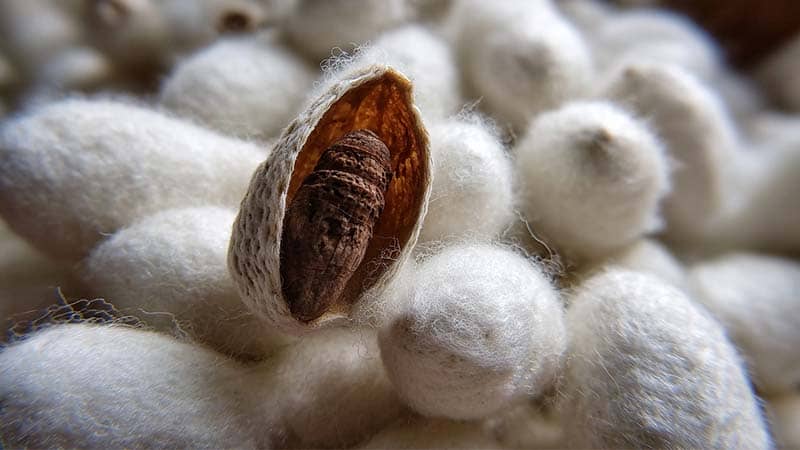
Peace silk lets silkworms complete metamorphosis; cocoons are collected after moths emerge. You avoid boiling intact cocoons, aligning with cruelty‑free positioning. However, the pierced cocoon breaks the continuous filament, yielding shorter fibers that are spun rather than reeled.
You’ll typically see a softer, matte hand, gentle slubs, and a more “organic” look. Production volumes are smaller, lead times longer, and color batches can vary more than standard Mulberry.
What Is Mulberry Silk And Why Is It The Benchmark?

Mulberry silk is reeled from intact cocoons raised on mulberry leaves. Long, continuous filaments deliver a smooth, uniform yarn with exceptional strength-to-weight ratio and natural sheen.
For you, that means predictable quality, higher yield during cutting, better drape and luster, and wide availability across grades and finishes, including 6A Grade Mulberry Silk. It’s the default for luxury apparel and silk sleep products.
How Do Ethics And Certifications Compare?
If your brand values animal welfare, Peace silk supports a no‑kill narrative. Pair it with credible documentation: supplier letters, farm photos, and independent audits when available.
Mulberry silk can still be ethical via supply chain transparency, worker safety, OEKO‑TEX Standard 100 for chemical safety, and Bluesign or ISO-based audits. Note that GOTS allows silk but requires organic process compliance; “Ahimsa” itself isn’t a universal certification—ask for verifiable standards, not just claims.
How Do Handfeel And Aesthetics Differ?
Peace silk feels softer and airier, with subdued sheen and slight texture from spun yarns. You’ll get an artisanal, natural look that photographs warmly and reduces glare.
Mulberry silk offers high gloss, ultra-smooth touch, and fluid drape. It reads “premium” on retail floors and supports sharp silhouettes and satin luster. If you need show‑stopping shine for eveningwear or silk scarves, Mulberry wins.
What About Strength, Durability, And Pilling?
Continuous filaments in Mulberry resist abrasion and pilling better, especially in high-friction areas like pajama seat panels and pillowcases. Seams hold with fewer breaks at lower stitch densities.
Peace silk’s spun structure can be slightly weaker and more prone to fuzzing if you choose low twist yarns. You can mitigate with tighter constructions, higher thread counts, and gentle finishes, but Mulberry remains the durability leader.
Ask for Quote Now
How Do Fabric Weights And Constructions Compare?
For sleepwear, you’ll likely target 16–22 momme for Mulberry satin or charmeuse; for dresses, 19–25 momme drapes beautifully. For Peace silk, focus on 12–18 momme plain weaves and twills where texture is a feature, not a flaw.
Heavier Peace silk can feel dense without gaining the same liquid drape. For suiting or textured tops, this is a plus. For bias‑cut gowns, Mulberry’s filament continuity performs better.
How Do Color And Printing Behave?
Mulberry’s uniform filament takes dye evenly, delivering deep, saturated colors and clean digital prints. You’ll see less mottling and more predictable Pantone matches.
Peace silk may show slightly more heathering or shade variance due to yarn structure. It excels in earthy palettes, garment‑dyed effects, and low‑gloss finishes. If your line relies on precise corporate colors, Mulberry reduces rework.
How Do Comfort And Skin/Hair Benefits Compare?
Both are breathable, thermoregulating, and hypoallergenic. For pillowcases and bonnets, Mulberry’s slicker surface reduces friction best, helping with frizz and skin creasing.
Peace silk still treats hair and skin gently, but the micro‑texture may add slight drag compared with premium Mulberry satin. If “beauty benefits” are your core claim, Mulberry provides the strongest evidence, especially for items like a mulberry silk bonnet.
How Does Care And Longevity Differ?
Mulberry in higher momme weights tolerates more wear and careful hand washing; with proper care, pillowcases can last years without thinning. Avoid harsh detergents and high heat.
Peace silk needs equally gentle care but can show wear sooner in high‑stress zones. If your customers prefer low‑maintenance luxury, Mulberry offers better long‑term appearance retention.
What Are The Real Cost Differences?
Peace silk costs more per meter due to lower yields, manual handling, and smaller farms. Expect a 15–40% premium over equivalent Mulberry constructions, plus longer lead times and higher MOQ variance.
Mulberry benefits from scale—consistent pricing, more suppliers, and optimized logistics. You’ll secure tighter CM times and better capacity for seasonal drops, especially for programs like wholesale silk robes.
Ask for Quote Now
How Do MOQs, Lead Times, And Availability Compare?
Peace silk supply is boutique. Mill MOQs can be flexible for greige but strict for custom dye/print. Lead times stretch 4–8 weeks plus finishing, and reorders may vary slightly in shade or hand.
Mulberry has abundant greige, standardized finishes, and faster sampling (often 7–14 days) with bulk in 3–5 weeks depending on finish. For rapid launches—think silk pajamas set or replenishable silk bedding—Mulberry is safer.
Which One Aligns Best With Your Brand Positioning?
Choose Peace silk if your story centers on compassion, slow fashion, small‑batch craft, and tactile natural aesthetics. Your audience values narrative and is tolerant of slight batch nuances.
Choose Mulberry if your promise is flawless sheen, technical performance, precise color, and scalable replenishment. Your customers equate polish and consistency with luxury across categories from silk bed sheets to eveningwear.
Ask for Quote Now
Can You Blend Ethics With Performance?
Yes. You can mix: Peace silk for tops and accessories where texture shines, Mulberry for pillowcases, lingerie, and bias‑cut dresses. Communicate why each fabric was chosen to balance welfare, feel, and longevity.
You can also elevate Mulberry ethics through transparent sourcing, worker standards, low‑impact dyes, and OEKO‑TEX certification. Ethics are broader than a single farming method. For travel sets, you might pair a pure silk eye mask in Mulberry with a Peace silk wrap for a thoughtful balance.
What Specifications Should You Request From Suppliers?
Ask for:
- Fiber origin (country, farm info for Peace silk).
- Yarn type (filament vs spun), denier, and twist.
- Weave/knit, momme (or gsm), finish (sandwash, enzyme, satin).
- Dye method, colorfastness data, and lab dips under D65/TL84.
- Mechanical tests: tensile, seam slippage, pilling.
- Chemical safety: OEKO‑TEX Standard 100.
- For Peace silk: documentation of rearing and harvesting method.
Where Do Use Cases Clearly Favor One Over The Other?
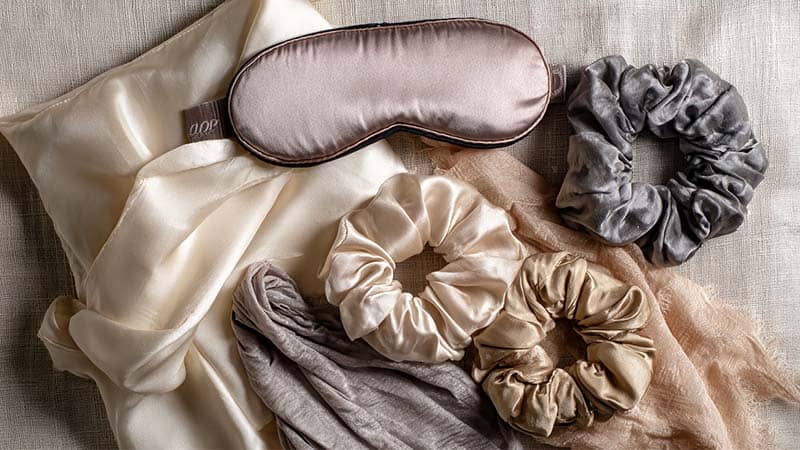
- Pillowcases, bonnets, lingerie, and high‑gloss dresses: Mulberry wins for glide, sheen, and wear resistance.
- Relaxed blouses, scarves with artisanal feel, yoga wraps, and slow‑fashion capsules: Peace silk wins for ethics and organic texture.
- Hospitality bedding: Mulberry for uniformity and longevity across bulk deployments, with accessories like silk hair scrunchies complementing amenity sets.
What Are The Environmental Trade-Offs?
Both are biodegradable proteins. Peace silk reduces animal harm but can have lower yield per cocoon. Mulberry farming requires leaf cultivation; responsible sericulture manages water and pesticides.
You can improve either option with low‑impact dyes, closed‑loop finishing, and certified processes. Audit the entire chain, not just the cocoon stage.
How Do You Price For Margin And Perceived Value?
For Peace silk, build margin around storytelling: artisan supply, ethical harvest, small‑batch dye. Bundle with recycled packaging and detailed hangtags to justify premium SRP.
For Mulberry, price tiers by momme and finish. Upsell 22–25 momme and sandwashed silk textures. Offer care kits to extend lifespan and reduce returns across core lines like silk bedding.
How Do You Test Before Committing?
Run A/B samples:
- Conduct rub, pilling, and seam‑slippage tests at your target stitch per inch.
- Wash test 5–10 cycles with your care label.
- Color‑check under multiple light sources (D65, TL84, Incandescent).
- Pilot 30–100 units in each fabric and compare returns, reviews, and sell‑through.
Bottom Line: Which Should YOU Choose?
If your buyers reward ethical narratives and embrace tactile uniqueness, Peace silk will differentiate your line—accept the higher cost and plan for tighter launches. If your success hinges on flawless sheen, durability, color accuracy, and speed to market, choose Mulberry for core SKUs and consider Peace silk for limited editions.
Ready To Specify The Right Silk For Your Next Collection?
Act now: Fill out our inquiry form to receive custom advice, lab-dyeing services, and a custom quote within 48 hours. Or contact us for a sample pack of Peace Silk and Mulberry fabrics, a performance report, and minimum order quantity/price details for your specific SKU. Secure production and lock in pricing now.Act now: Fill out our inquiry form to share your use case, target feel, and budget, and we’ll provide fabric samples with testing data and lead times. Get custom recommendations, lab-dying services, and a customized quote within 48 hours. Alternatively, contact us for Peace Silk and Mulberry fabric sample packs, performance reports, and minimum order quantity/pricing details for your specific SKUs. Secure production and lock in pricing now.