Best Mulberry Silk Suppliers: How To Vet Factories And Avoid Middlemen
You want consistent quality, fair pricing, and on-time deliveries for mulberry silk products without trading-company markups. This guide shows you how to find the best mulberry silk supplier in China for private label, verify real factory capabilities, compare 19 Momme vs 22 Momme vs 25 momme options, and confirm compliance like OEKO-TEX Standard 100. You’ll get a due diligence checklist, lab testing steps, landed cost guidance, and MOQ negotiation tactics so you can source with confidence and scale sustainably.
What Makes A “Real” Mulberry Silk Factory?
A real mulberry silk manufacturer offers vertical control: fabric sourcing from named mills, dyeing/finishing access, cutting, sewing, inline inspection, and packing under one management chain. Ask for a live factory video tour to see line setup, needle policy logs, and daily output boards. Genuine factories can explain stitch types, SPI, shrinkage allowance, and size grading for silk robes on the spot. They also provide OEKO-TEX verification for silk fabrics tied to your exact articles and a recent BSCI or WRAP audit.

How Do You Spot Middlemen Early?
Traders often use generic email domains, office-only addresses, and vague capacity claims. Price swings of 10–20% without raw-material changes are common. If simple questions (AQL levels for silk apparel final inspection, dye house booking lead time for mulberry silk) require “checking with the factory” repeatedly, you’re likely dealing with a middleman. Request the Chinese business license, utility bills, and GPS-stamped workshop photos to separate a direct mulberry silk factory vs trading company.
Ask for Quote Now
Which Documents Should You Request Before Sampling?
Ask for a business license, export license, and an audit report (BSCI/SEDEX/WRAP) issued within 12 months. Get OEKO-TEX Standard 100 certificates for the exact mulberry silk fabric type used in pillowcases, pajamas, or lingerie. Request yarn/fabric specs including grade 6A vs 5A, momme, weave, width, and finishing. A clear sample schedule (lab dips, fit, PP) and insurance details protect you before you invest in an OEM mulberry silk pajama factory with OEKO-TEX.
How Do You Validate Silk Quality At The Lab?
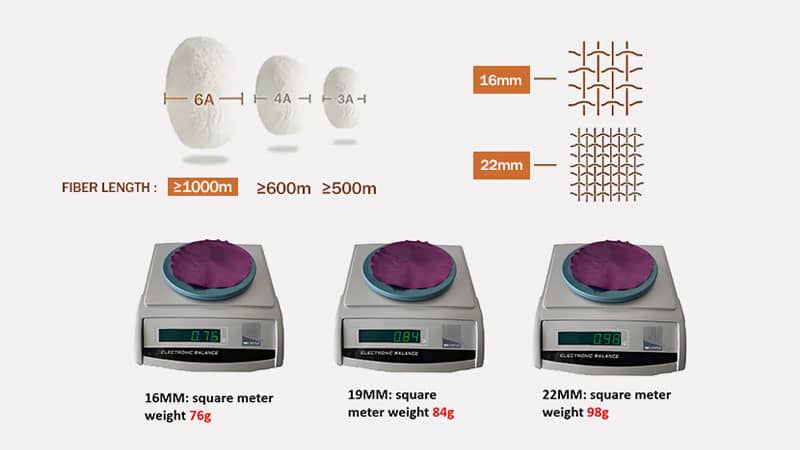
Use microscopy or FTIR to confirm fiber identity—critical when comparing mulberry silk vs satin imitations. Verify momme by weighing cut swatches to confirm 19/22/25 claims. Run ISO colorfastness, rubbing, and light tests; confirm shrinkage tolerance for mulberry silk pajamas; and check pH and AZO-free dyes requirements for silk sleepwear. Add tensile and tear strength tests to ensure durability for seams on silk lingerie and sleep masks.
What Factory Red Flags Should You Avoid?
Avoid suppliers who refuse pre-production samples with final trims, or who won’t share a needle policy and broken-needle log. Be cautious when sample fabric and bulk fabric come from different mills without commitment letters. Certificates with mismatched names or expired dates are serious warnings. If a supplier resists third-party QA or your AQL plan, your defect risk and returns rate will spike—especially on wholesale mulberry silk bedding sets.
How Do You Structure A Risk-Reducing Pilot?
Pilot with limited SKUs—such as 6A grade mulberry silk pillowcase manufacturer runs or a small batch with a low MOQ mulberry silk robe factory for startups. Define AQL levels for final inspection and schedule an inline inspection around 30–40% completion. Make the PP sample your golden reference. Tie payments to milestones: deposit after PP approval, balance after inspection. This approach surfaces sewing and pressing issues early while protecting cash flow.
What Costs Matter Beyond The Unit Price?
Your landed cost calculator for mulberry silk products should include fabric yield, CM (cut-and-make), trims (buttons, piping, elastic, labels), lab testing, inspection fees, and logistics. Compare EXW vs FOB vs CIF for silk garment shipments to understand where risk and cost sit. Add HS code classification for pillows, pajamas, robes, and eye masks to estimate duty. Decide ocean vs air freight for silk apparel based on seasonality, margin, and carton pack requirements.
How Do You Verify Capacity And Lead Times?
Ask for a rolling production calendar, line loading charts, and average output per line for similar SKUs. Confirm dye house booking lead time for mulberry silk, since finishing often becomes the bottleneck. If you plan to scale from 100 to 5,000 units, insist on a capacity plan and evidence of recent peak-month outputs. For seasonal launches, plan around Chinese New Year and secure slots early to avoid delays.
What Should Your Tech Pack Include?
A strong tech pack reduces sampling rounds and miscommunication. Include a BOM with mill names, momme, finish, and Pantone codes; construction notes for collars, cuffs, piping, buttons, and elastics; artwork placements; and packaging specs (fold, polybag, barcode, carton pack). Consider linking to a silk garment tech pack template to keep structure consistent across SKUs like pillowcases, sleep masks, and robes.
How Do You Negotiate MOQ Without Raising Unit Cost?
Combine SKUs to meet silk mill minimums by using the same base cloth across colors or styles. Share a 3‑month forecast and consider longer lead times to fit into idle capacity windows. Standardize trims to hit price breaks. This strategy works for custom silk sleep mask manufacturer programs with logo printing and for private-label pajama sets where fabric consolidation can unlock better pricing.
Ask for Quote Now
How Do You Protect Yourself In The Contract?
Reference the tech pack version, PP sample ID, and AQL in the PI or contract. Include liquidated damages for late deliveries, rework/credit terms, and arbitration venue. Attach certificates, lab results, and any sustainability or traceability claims to avoid greenwashing. These steps are vital for private label packaging for luxury silk products, where unboxing quality and timing affect conversion rates and reviews.
How Should You Manage Quality During Production?
Run a pre‑production meeting, then an inline inspection with defect logs and photos, and a final inspection using your AQL plan. Archive needle and metal detection records with shipment documents. Randomly check cartons for size ratio, barcodes, and labels—especially for bulk runs of pillowcases and bedding where assortments can get mixed. If you lack local staff, use third-party QA with a factory audit checklist for mulberry silk suppliers.
Ask for Quote Now
When Is It Safe To Scale Orders?
Scale after two consecutive pilots meet OTIF and defect targets, lab results remain stable across dye lots, and corrective actions are proven. Reserve line time and dye slots before peak periods. This applies whether you’re growing a direct-to-consumer brand or supplying beauty and hospitality clients with silk accessories.
How Do China And Vietnam Compare For Silk Production?
China offers the deepest supply chain for 6A mulberry silk, faster sampling, broad dye/print options, and better access to mills. Vietnam provides competitive CM but often imports silk fabrics, impacting dye lead times. Choose based on lead time reliability, compliance norms, and total landed cost—not only labor rates.
Which KPIs Should You Track For Supplier Performance?
Track OTIF, first-pass yield, defect ppm by category, cost variance vs quote, and communication SLAs. Review monthly to catch trends early. Use these KPIs when comparing a BSCI-audited mulberry silk garment factory against alternatives to justify vendor consolidation.
How Do You Avoid Greenwashing And Certificate Fraud?
Cross-verify certificate numbers on issuer sites, ensure scope matches your articles, and request chain-of-custody for claims like “sustainable silk sourcing.” Ask for transaction certificates when possible and re-check after ownership changes. Never rely on cropped PDFs; ask for verification links.

A Practical Vetting Checklist You Can Use Today
- Live video tour on the production floor within 48 hours.
- Valid audit + OEKO-TEX verification; numbers checked online.
- Signed tech pack + PP sample as the golden reference.
- Pilot order with defined AQL and two inspections.
- Contract clauses: LDs, rework, arbitration, IP, and artwork.
- Landed cost model including freight, duty, QC, and testing.
- Capacity plan and dye house booking proof for your window.
Run this end-to-end before any large commitment—especially when you aim to avoid middlemen and secure reliable supply.
Get A Custom Quote And Free Vetting Review
Ready to work directly with a factory and avoid trading-company markups? Get a free vetting review plus a custom, BOM-based quote in 48 hours. Send your tech pack and target quantities for pillowcases, sleep masks, pajamas, robes, or bedding.
Click “Request A Quote” to upload specs and target price.
Or email us for a landed cost breakdown (EXW/FOB/CIF) and lead-time plan.
You’ll receive sample timelines, QA checklists, verified certificates, and MOQ strategies tailored to your launch date.
Have questions before you brief us? Contact Us to discuss feasibility, pricing ranges, and timelines. Act now to lock dye-house slots and line capacity before peak season. Faster commitment means better pricing, earlier ship dates, and lower risk for your next silk product launch with Silkua.