
Mulberry Silk vs. Imitation Silk: Which Makes You More Profit Long-Term?
Introduction: Why Silk Products Are Exploding In 2025
Mulberry silk and imitation silk can look almost identical in photos. One costs more per yard, the other is cheap and easy to source. But as a brand owner, YOUR real question is: which fabric gives YOU better profit margin for mulberry silk sleepwear brands, stronger customer reviews, and a lower return rate over time?
In this guide, YOU will see a clear business comparison of mulberry silk vs imitation silk for sleepwear brands. YOU will learn how each fabric affects pricing, profit, review scores, and return rate mulberry silk pajamas vs satin pajamas on Amazon FBA, Shopify, and wholesale. YOU will also see when mulberry silk is worth the investment, when satin or polyester “imitation silk” makes sense, and how to choose the best mix for YOUR brand strategy and long‑term SEO growth.
What Is Mulberry Silk And What Is Imitation Silk?
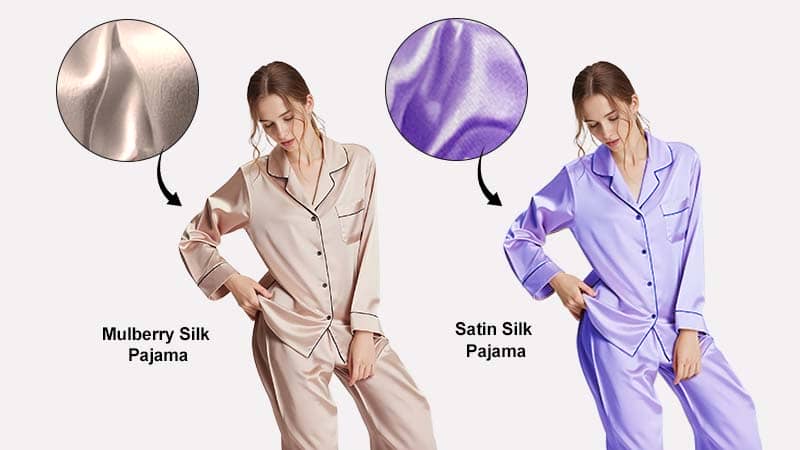
Mulberry silk comes from silkworms fed only mulberry leaves.
For sleepwear, it is valued for:
- Natural protein fiber that is breathable and skin‑friendly
- Luxurious handfeel and elegant drape
- Stable quality when YOU follow mulberry silk quality standards for sleepwear like 6A grade and suitable momme weight
Imitation silk usually means:
- Polyester satin, viscose, or other synthetic blends
- Fabric finished to look shiny and smooth, similar to silk
- Lower raw material cost and often easier care (machine washable)
From a distance or in ecommerce photos, mulberry silk vs satin pajamas may seem similar. But once a customer wears them—especially in warm bedrooms—differences in comfort, breathability, and durability start to show, and that impacts reviews and returns for YOUR brand.
Ask for Quote Now
How Do Material Costs And Pricing Power Compare?
At fabric level, imitation silk often wins on cost per meter.
However, to decide the best fabric for YOUR collection, YOU need to look at the profit margin difference between mulberry silk and satin, not just material cost.
Mulberry Silk
- Higher fabric cost, especially 19–25 momme 6A mulberry silk
- Strong pricing power for luxury sleepwear branding using real mulberry silk
- Suitable for positioning like premium mulberry silk pajamas and bridal silk robes and lingerie
- Easier to justify higher AOV with packaging, storytelling, and gift positioning
Imitation Silk
- Lower fabric and production cost
- Works for entry‑level price points and trend tests
- Fits budget sleepwear brands but makes it harder to build a premium brand positioning with mulberry silk pajamas
- Retail price ceiling is lower unless YOU have extremely strong brand equity
If YOU sell on Amazon or Shopify, mulberry silk vs polyester satin for sleepwear often comes down to this: mulberry silk lets YOU target high‑intent, high‑value buyers, while imitation silk focuses on price‑sensitive shoppers with limited willingness to pay.
How Does Each Fabric Type Affect Profit Margin?
True profit is shaped by more than fabric and sewing cost.
YOU must also consider marketing spend, return handling, and long‑term customer value when comparing the long term profit of mulberry silk vs cheap imitation silk.
Mulberry Silk And Profit Margin
Advantages:
- Higher price point supports solid profit margin for mulberry silk sleepwear brands
- Easier upsell into related products: pillowcases, eye masks, additional colors
- Strong base for high ticket mulberry silk products for ecommerce brands
- Better customer retention; customers often come back for matching robes or lingerie sets
Risks:
- Higher inventory cost per unit
- Requires reliable OEM factory and QC to avoid defects that can destroy margins
Imitation Silk And Profit Margin
Advantages:
- Lower entry cost; good for testing styles with uncertain demand
- Fits a tiered product line with silk and satin (for example, a satin collection as budget tier)
- Lower financial risk if a particular color or cut doesn’t sell
Risks:
- Tough competition on price, especially for imitation silk pajamas on marketplaces
- Weaker brand loyalty and fewer high‑value repeat customers
- Over time, discounting and return costs can eat away initial margin
For many serious brands, the long term profit of mulberry silk vs cheap imitation silk often favors mulberry, especially once YOUR marketing and after‑sales costs are included.
Ask for Quote Now
How Do Customer Reviews Differ Between Mulberry And Imitation Silk?
Customer reviews directly influence organic ranking and ad performance.
If YOU compare customer reviews mulberry silk pajamas vs satin pajamas, patterns appear quickly.
Review Patterns For Mulberry Silk
When YOU deliver real, well‑made mulberry silk sleepwear, reviews often mention:
- “Feels so luxurious and soft”
- “Cool and breathable, perfect for sleep”
- “Worth the price, bought another set”
- “Best fabric for luxury silk pajamas, mulberry is on another level”
These terms help YOU rank for profitable long‑tail queries like real mulberry silk vs fake silk customer reviews and best fabric for luxury silk pajamas mulberry or satin.
Positive sentiment supports 4.5+ star ratings, boosting conversion and lowering ad spend.
Review Patterns For Imitation Silk
For satin or polyester imitation silk, common feedback includes:
- “Nice for the price, but not real silk”
- “A bit shiny and slippery, feels synthetic”
- “Good for photos, quality is average”
- “Too hot to sleep in all night”
These mixed comments often keep average ratings around 3.9–4.2 stars, and some listings show more 3‑star reviews that slow growth.
If YOUR goal is to appear in searches related to premium brand positioning with mulberry silk pajamas or luxury silk gifts, genuine mulberry silk supports those review themes and conversions much better than imitation fabrics.
How Does Each Material Influence Return And Refund Rate?
Return rate is a critical hidden variable when YOU compare return rate mulberry silk pajamas vs satin pajamas. Even a small increase in returns can erase apparent margin advantages.
Mulberry Silk Return Behavior
When YOU clearly describe the product as 100% mulberry silk and match expectations, typical return reasons are:
- Size not right
- Color looks different than on their screen
- Fabric weight not matching personal taste (too light or too heavy)
Because buyers who search for mulberry silk sleepwear expect a premium, natural fiber, they are usually happy as long as YOU deliver real silk with good workmanship. This means return rates can be controlled with accurate size charts and clear imagery.
Imitation Silk Return Behavior
For imitation silk or satin, returns and refunds more often mention:
- “Feels cheaper than expected”
- “I thought it would be more like real silk”
- “Too hot and not breathable”
- “Looks different from photos”
When YOU analyze the impact of fake silk on return rate and profit, YOU may find that a 2–5% higher return rate on cross‑border or FBA shipments quickly kills the initial cost advantage of polyester satin.
For YOUR brand, especially if YOU rely on marketplaces, lower and more predictable return rates from mulberry silk can protect YOUR overall profit and keep seller metrics healthy.
How Do Brand Positioning And Target Customers Differ?
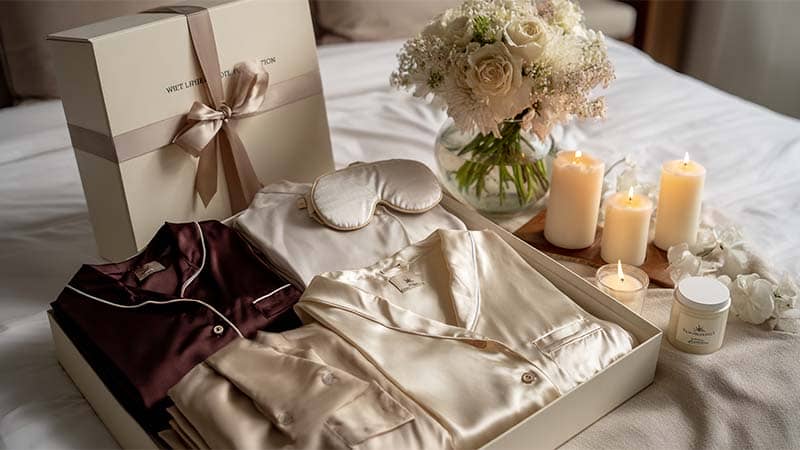
Fabric choice is a core part of YOUR brand story, not just a technical detail. It directly affects whether YOU can succeed in the high end gift market for mulberry silk sleepwear or must compete mainly on price.
Mulberry Silk Brand Positioning
With mulberry silk, YOU can:
- Build luxury sleepwear branding using real mulberry silk clearly
- Target customers searching in the high end gift market for mulberry silk sleepwear
- Develop bridal and premium gift lines like robes, pajamas, and lingerie
- Justify value‑adding details: French seams, branded packaging, silk pouches
This supports building a long term brand with mulberry silk products, where most of your profit comes from repeat purchases and referrals—not constant discounting.
Imitation Silk Brand Positioning
With imitation silk, YOU typically:
- Serve more price‑sensitive, fashion‑driven buyers
- Focus on styles and colors rather than deep fabric benefits
- Compete more directly with fast fashion brands
- Risk being undercut easily on price and copied quickly
Imitation silk can fit into a tiered product line with silk and satin, where satin is the entry tier and mulberry silk is the flagship tier. But if YOU aim to be known as a premium silk sleepwear brand, mulberry silk should lead your positioning.
When Does It Make Sense To Use Imitation Silk?
Imitation silk is still useful in the right context. It can support YOUR overall strategy when YOU:
- Test new colors or silhouettes before upgrading the winners to mulberry silk
- Offer lower‑priced satin lines clearly labeled as such, for shoppers who just want a look, not a long‑term garment
- Create event‑based products (for example, bridesmaid sets for one‑day wear, party costumes)
In these cases, YOU can position products honestly and reduce common complaints about imitation silk pajamas by managing expectations.
For your main SKUs and evergreen collections—especially anything around beauty sleep, bridal, or gifting—mulberry silk is usually the smarter choice for protecting reviews, margin, and brand equity.
Ask for Quote Now
How Can YOU Reduce Risk When Choosing Mulberry Silk?
If YOU decide mulberry silk is right for YOUR core products, risk control is essential. A few practices protect YOU:
- Clear specifications: state “100% mulberry silk,” grade, and momme weight (for example, 22 momme for premium pajamas and robes)
- Lab and fabric tests: confirm real silk vs polyester with basic tests and partner with a factory that knows tests to identify fake silk fabric for brands
- Quality standards: define acceptable stitching, seam strength, and colorfastness
- Inspections: use pre‑production and final inspections dedicated to silk sleepwear QC
- Experienced partner: work with a mulberry silk sleepwear manufacturer for private label that understands shrinkage, dyeing, and delicate construction
This approach lets YOU capture the upside of mulberry silk while controlling the downside of defective batches or inconsistent fabric.
How Should YOU Decide Between Mulberry Silk And Imitation Silk?
From a business and SEO angle, YOUR choice should align with:
- Target customer and price sensitivity
- Channel strategy (Amazon FBA, DTC, wholesale, marketplaces)
- Brand vision and whether YOU want a premium brand positioning with mulberry silk pajamas
- Risk tolerance and cash flow
A practical framework:
Use mulberry silk for:
- Flagship, high‑review products
- Bridal robes and premium gift sets
- Search demand around best fabric for luxury silk pajamas mulberry or satin
- Customers who care about breathability, skincare, and long‑term use
Use imitation silk for:
- Trend testing and seasonal colors
- Entry‑level lines for budget customers
- One‑off or themed collections where long‑term wear is not critical
By mixing both, YOU can optimize overall profit, not just the margin of a single SKU, and capture different segments within YOUR audience.
Ready To Balance Quality, Reviews, And Profit? Partner With Silkua
Your decision between mulberry silk and imitation silk directly shapes YOUR profit margin, review profile, and return rate. YOU do not have to figure this out alone. With the right factory partner, YOU can design a smart product line that combines premium mulberry silk bestsellers with well‑positioned satin tests, all built on strong quality control and informed by the profit margin difference between mulberry silk and satin in your category.
If YOU want a factory that understands mulberry silk quality standards for sleepwear, real‑world return data, and ecommerce requirements, Silkua is ready to help. Visit our Contact Us page or fill in the inquiry form to:
- Get a tailored fabric and pricing strategy for YOUR market and channels
- Receive transparent quotes for both mulberry silk and imitation silk collections
- Learn how to structure QC to cut return rate and protect review scores
Take action now and let Silkua help YOU launch silk sleepwear that feels luxurious, ranks for profitable long‑tail keywords like mulberry silk vs imitation silk, and delivers the kind of reviews and margins that keep YOUR brand growing month after month.