
If YOU are developing a sleepwear or lingerie collection, understanding the difference between a mulberry silk camisole and a satin silk camisole is essential. These two terms are often used as if they mean the same thing, but in sourcing and product development, they can refer to very different materials and quality levels.
This guide explains the real difference from a buyer’s perspective. YOU will learn how the fabrics compare in fiber content, touch, breathability, appearance, care, and price. If YOU are looking for a custom silk camisole manufacturer, planning a private label silk camisole line, or evaluating options for OEM and ODM development, this article will help YOU make a more informed decision and communicate more clearly with suppliers.
Table of Contents

What Is A Mulberry Silk Camisole?
A mulberry silk camisole is a camisole made from silk fibers produced by silkworms fed mainly on mulberry leaves. In the apparel industry, mulberry silk is generally regarded as the highest-grade silk for clothing because of its smooth texture, long fibers, and refined finish.
For YOU as a buyer, this means a more premium product experience. A genuine mulberry silk camisole usually feels softer, drapes better, and offers better comfort than lower-grade or synthetic alternatives.
When YOU work with a mulberry silk camisole manufacturer, it is important to confirm not only that the fabric is silk, but also the silk content, momme weight, weave, and finishing method. These details directly affect price, quality, and positioning.
What Is A Satin Silk Camisole?
A satin silk camisole is a more complex term because satin is a weave, not a fiber. Satin can be made from silk, polyester, rayon, or blended yarns, which is why this label can sometimes cause confusion in the market.
In practice, many products described as satin camisoles are made from synthetic satin rather than real silk. Some may still look glossy and elegant, but they do not offer the same natural properties as mulberry silk.
For YOU, the key sourcing question is simple: is the camisole made from real silk satin or from synthetic satin? This distinction matters whether YOU are selecting stock items, comparing quotations, or developing a private label silk camisole supplier strategy.

What Is The Main Difference Between Mulberry Silk And Satin?
The main difference is that mulberry silk describes the fiber, while satin describes the fabric construction or surface effect. They are not two equivalent material categories.
A mulberry silk camisole is defined by its natural silk fiber content. A satin camisole is defined by its smooth, lustrous weave, but the fiber inside may be silk or synthetic.
This is one of the most important points for brands, wholesalers, and importers. If YOU are sourcing from a custom silk camisole manufacturer, YOU need to ask for exact composition details instead of relying on product names alone.
Ask for Quote Now
Subscribe to Product Updates
Silk care tips and new arrivals — straight to your inbox.
Why Does This Difference Matter In B2B Sourcing?
In B2B sourcing, material wording affects product claims, customer expectations, pricing, and brand credibility. If YOUR end customer expects genuine silk and receives polyester satin, returns and trust issues can follow.
For brands building a premium sleepwear line, fiber transparency is not optional. It affects how YOU market the product, how YOU price it, and how YOUR customers experience it.
If YOU are working with a private label silk camisole project, clear fabric specifications should be confirmed before sampling. This is especially important when the style will include custom logo, main label, wash label, embroidery, or printed packaging.
Which Fabric Feels Better On The Skin?
Mulberry silk usually feels softer, lighter, and more natural on the skin. It has a smooth touch with less artificial slickness, which makes it a strong option for premium sleepwear and intimate apparel.
Synthetic satin can also feel smooth, but it often has a different hand feel. Some fabrics are more slippery or warmer, and the comfort level depends heavily on the underlying fiber.
If YOU are designing for higher-end buyers, boutique retailers, or wellness-oriented sleepwear brands, mulberry silk often supports a better product story. This is one reason many buyers searching for a custom silk camisole choose real silk over synthetic satin.
Which One Is Better For Breathability And Sleepwear?
Mulberry silk is generally more breathable than synthetic satin. As a natural fiber, it tends to regulate temperature better and feel more comfortable during long wear.
This makes it a strong option for camisoles designed for sleepwear, resortwear, and soft luxury basics. Customers who value comfort often notice the difference quickly.
Satin made from polyester may be suitable for fashion-focused styles, but it is usually less breathable. If YOU are developing a private label mulberry silk sleepwear collection, this performance difference is worth emphasizing in your product positioning.
Which One Looks More Premium?
Both fabrics can look attractive, but the type of luxury they communicate is different. Mulberry silk usually offers a softer, more refined luster and a more fluid drape. It tends to look elegant rather than overly shiny.
Synthetic satin often has a stronger surface gloss, which can work for trend-driven products and lower-price collections. However, the appearance may feel less natural in premium categories.
If YOUR brand is positioned around understated luxury, genuine fabric quality, or long-term value, mulberry silk is often the better fit. This is especially true if YOU want to develop custom silk camisoles with custom logo and labels for a more elevated market.
Which One Is Easier To Care For?
Synthetic satin is generally easier to care for in mass-market use. It is often less delicate and more forgiving in washing and handling.
Mulberry silk requires gentler care. That usually means mild detergent, low-friction washing, and careful drying. For premium customers, this is often acceptable because they understand that real silk requires more attention.
From a B2B standpoint, the important point is expectation management. If YOU are sourcing from a silk camisole OEM manufacturer, make sure the care instructions, wash label language, and aftercare guidance match the actual fabric.
Which One Is More Expensive?
Mulberry silk camisoles are usually more expensive than satin camisoles made from synthetic fibers. The higher cost reflects raw material value, fabric quality, and the premium positioning of real silk.
Satin camisoles made from polyester are often more affordable and may work well for entry-level lines or fashion collections where price is a key factor.
For YOU, the decision should not be based on unit cost alone. It should also consider target customer, margin strategy, product promise, and whether YOU want to build a premium or budget-oriented collection.
Which Option Is Better For Private Label And Custom Development?
If YOUR goal is to launch a premium collection, a mulberry silk camisole is usually the better choice. It supports stronger brand storytelling, higher product value, and better alignment with luxury sleepwear positioning.
If YOUR goal is lower pricing with a satin look, synthetic satin may still be useful for certain markets. But YOU should describe it accurately and avoid confusing “silk-like” products with real silk.
For brands working with a custom silk camisole manufacturer or silk camisole ODM factory, the best approach is to define fabric composition, target price, customization requirements, and end-use before sample development begins.

How Can YOU Verify Whether The Fabric Is Real Silk?
Start with the material specification. Terms like “100% mulberry silk” or “100% silk” are much more meaningful than “silky” or “satin finish.”
YOU should also ask the supplier for the momme weight, weave type, sample swatches, and production details. If the camisole is part of a custom embroidered silk camisole or custom printed silk camisole project, these specs should be confirmed before logo application or label production.
A reliable supplier should be able to explain the difference clearly. If they cannot, that may indicate a risk in sourcing transparency.
What Should YOU Ask A Supplier Before Ordering?
Before placing an order, YOU should ask what the exact fiber composition is, whether the fabric is genuine mulberry silk, what momme weight is used, and what finishing process is applied.
YOU should also ask whether the supplier offers OEM or ODM support, custom colors, size grading, embroidery, print, woven labels, wash labels, and packaging customization.
If YOU are evaluating a silk camisole wholesale supplier or private label silk camisole supplier, these questions help YOU compare factories more effectively and reduce misunderstandings during production.
FAQ
Is A Satin Silk Camisole Always Real Silk?
No. Satin refers to the weave, not the fiber. A satin camisole can be made from real silk, but it can also be made from polyester or other synthetic materials.
Is Mulberry Silk Better Than Satin For Sleepwear?
If YOU value breathability, softness, and natural comfort, mulberry silk is usually the better choice for sleepwear. Satin may work for appearance and lower cost, but performance depends on the fiber.
Why Is A Mulberry Silk Camisole More Expensive?
Mulberry silk is a premium natural fiber. The higher price usually reflects better raw materials, a more refined feel, and stronger luxury positioning.
Can I Create A Private Label Silk Camisole Collection?
Yes. A qualified supplier can usually support custom fabric selection, logo application, woven labels, wash labels, packaging, and size customization for private label development.
What Customization Options Are Common For Silk Camisoles?
Common options include custom colors, custom sizing, embroidery, print design, main label, wash label, hang tags, and branded packaging. These are often requested in private label mulberry silk sleepwear projects.
How Do I Choose Between Mulberry Silk And Satin For My Brand?
Choose mulberry silk if YOUR brand focuses on premium quality, comfort, and luxury positioning. Choose satin if YOUR market is more price-sensitive and driven mainly by visual appearance.
Why This Difference Matters For B2B Buyers?
The difference between a mulberry silk camisole and a satin silk camisole is not just about shine. It affects comfort, breathability, quality perception, care requirements, and brand value.
For B2B buyers, the most important step is to separate fiber content from surface appearance. Once YOU understand that difference, YOU can source more accurately, describe products more honestly, and build a collection that matches YOUR market.
Contact Us
If YOU are looking for a reliable partner for custom silk camisole development, private label silk camisole production, or premium silk sleepwear manufacturing, Contact Us today.
Silkua is a professional silk product customization factory offering support for fabric sourcing, OEM and ODM development, embroidery, print, custom labels, and packaging solutions. Send YOUR inquiry now to get expert recommendations, faster sampling support, and a custom quotation tailored to YOUR business goals.
Request An Instant Quote For Your Brand!
You May Also Find These Topics Interesting
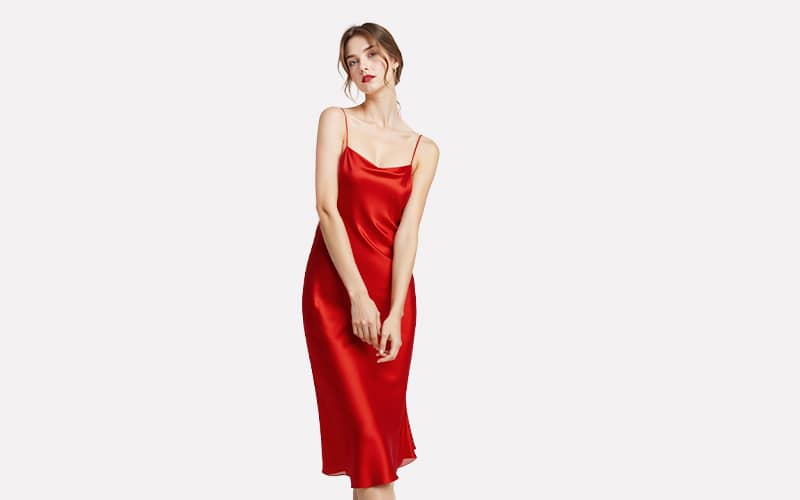
How to Iron a Silk Dress Properly Without Damaging the Fabric
How to Iron a Silk Dress Prope

How to Choose the Right Silk Fabric for Custom Sleepwear Manufacturing?
How to Choose the Right Silk F