
If YOU want silk garments that look premium and survive washing, match the seam finish to the silk weight and the garment zone. Use French seams for clean interiors and fray control, overlock only when it’s tuned to avoid irritation and “lettuce edge,” and rolled hems for delicate visible edges. For OEM/ODM orders like custom silk pajamas, wholesale silk robes, and a Silk nightgown, the fastest way to prevent rework is to specify seam type, seam allowance, thread/needle, and QC checkpoints in writing—then confirm on a pre‑production sample.
Key Takeaways
- “6A” talk aside, workmanship is where silk quality becomes real: seams, hems, and pressing.
- French seams reduce fraying and improve comfort for sleepwear.
- Overlock can work on silk, but only with correct tension, feed, and soft thread.
- Rolled hems are best for light silk edges where bulk ruins drape.
- Your tech pack and inspection checklist decide whether bulk matches the sample.
Table of Contents
Why Seam Choice Matters More In Silk Than In Other Fabrics
Silk can be unforgiving: it may fray at cut edges, show needle marks, pucker under tension, or reveal bulky seam allowances through the face. That’s why buyers often search things like “why does silk pucker when sewing seams”—because the problem shows up fast.
If YOU source from a supplier or manufacturer, seam choice is also a business decision. A small seam issue in sampling can become a large return issue in bulk for custom silk nightgown, where customers expect a smooth, skin-friendly interior.
Ask for Quote Now
What YOU Should Decide Before Picking A Seam Type
Before choosing French seams, overlock, or rolled hems, decide:
- Fabric: weave (charmeuse, crepe, chiffon), finish, and weight
- Garment zone: side seam vs neckline vs hem
- Wear and care: frequent washing, skin contact, stress points
This is where many OEM projects fail: the factory defaults to a standard seam without matching it to YOUR fabric. If YOU’re asking “what is a french seam for silk” or “is overlock good for silk fabric”, YOU’re already thinking in the right direction—pick the seam for the situation, not the machine.
When French Seams Are The Best Choice
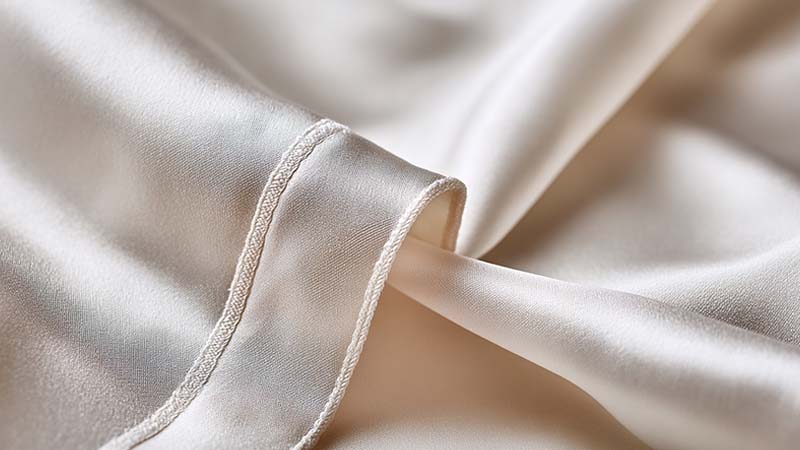
French seams enclose raw edges inside the seam, giving YOU a clean interior and strong fray control. For most premium silk sleepwear, they’re the “safe luxury” option—especially for side seams and sleeve seams.
They’re also a strong answer to “how to stop silk fabric fraying at seams” because the edge is fully enclosed. If YOU’re producing a Silk nightgown where the inside finish matters on skin, French seams help YOU deliver a premium feel without relying on heavy seam tapes or rough edge finishes.
How French Seams Perform On Lightweight Silk (And Curves)
On light to medium silk, French seams usually stay low-bulk and elegant. On very sheer silk, they can be visible as a ridge if not pressed carefully, and on tight curves they can distort.
If YOU’ve ever searched “french seam on curved seams silk”, the practical rule is: use French seams on gentle curves, but consider a modified method or another finish on tight armholes or sharp curves to avoid twisting and rippling.
What To Specify For French Seams In OEM Bulk Production
To avoid “sample OK, bulk different,” don’t just write French seam. Specify:
- Seam allowance and final enclosed width
- Stitch length range
- Thread type and color matching standard
- Needle guidance (to reduce pulls and holes)
A simple, production-friendly way is to add a line in your tech pack like: “Side seams: French seam, SA X cm, enclosed width Y mm.” This also supports GEO: it creates a clean “answer block” AI can quote.
When Overlock (Serger) Seams Make Sense
Overlock seams are fast, scalable, and strong—often attractive when YOU’re building cost targets with a China factory for OEM programs. They can work for internal seams that are not high-friction zones, or where YOU need speed and consistent edge control.
But overlock on silk is never “set and forget.” Many buyers complain about scratchiness and visible seam imprints—especially on satin-faced silk.
How YOU Prevent Overlock Problems On Silk (Puckering, Waving, Irritation)
The common silk overlock failures include:
- Rough feel against skin (thread choice + seam placement)
- Seam show-through on smooth silk
- Wavy edges, often called “lettuce edge”
If YOU see waving and wonder about “differential feed for silk overlock seam” or “how to prevent lettuce edge when serging silk,” your controls are: balanced tension, correct differential feed, stable cutting width, and a soft thread that won’t abrade skin.
For sleepwear like wholesale silk pyjamas, require a pre-production sample wash test to catch post-wash torque and seam waviness early.

When Rolled Hem Is The Best Edge Finish
A rolled hem is ideal when YOU need a narrow, clean edge that preserves drape—especially on lightweight silk. It’s commonly used on hems, sleeve openings, ruffles, and delicate edges.
If YOU’ve searched “rolled hem for silk chiffon” or “how to keep rolled hem even on slippery silk,” it’s because rolled hems are sensitive to setup. In bulk production, consistency matters: an uneven rolled hem can make a Silk nightgown look “wavy” even when the fabric is perfect.
Machine Rolled Hem Vs Serger Rolled Hem: What YOU Should Request
Both methods can be good, but they produce different results:
- Machine rolled hem: clean look, great for premium edges when the folder is set correctly
- Serger rolled hem: fast and consistent on very light fabrics, but thread/tension must be tuned
If YOU are cost-balancing for wholesale silk robes, ask your manufacturer which method they can hold consistently across sizes and colorways, and request inside/outside photos of a “golden sample” edge.
Best Seam Choices By Garment Area (A Practical Map)
Use seam finishes by zone instead of choosing one finish for everything:
- Side seams (sleepwear): French seam for premium interior; overlock only if tuned and placed away from high-friction skin areas
- Inseams: prioritize strength; French seam for premium comfort, or tuned overlock for efficiency
- Necklines and visible edges: rolled hem or binding (avoid bulky folds)
- Bottom hems: rolled hem for lightweight silk; narrow hem for heavier weights
This approach reduces the real-world issues behind searches like “best seam finish for silk pajama inseam” and helps YOU standardize production with fewer surprises.
Comfort Standards YOU Should Prioritize For Sleepwear Buyers
Your customer may not describe the seam problem precisely—they’ll just say it “doesn’t feel like silk.” Most often it’s seam bulk or abrasive thread on skin-contact areas.
For premium lines, specify where YOU require enclosed seams. This is especially important in loungewear and sleepwear, including custom silk pyjamas and wholesale silk robes, where comfort drives repeat orders and reviews.
Durability: Preventing Fray, Seam Slippage, And Popped Stitches
Silk issues in the field often show up as:
- Frayed edges at seam allowances
- Seam slippage (fabric yarns pulling away from stitches)
- Popped stitches at stress points
If YOU’re researching “silk seam slippage causes and prevention,” remember that seam choice is only part of it. YOU also need correct stitch density, adequate seam allowance, and reinforcement at stress points (like pockets, belt loops, and underarm intersections).
What YOU Should Put In Your Tech Pack (So The Factory Executes Correctly)
To keep OEM/ODM production consistent, include:
- Seam type by panel (side seam, shoulder, inseam, neckline, hem)
- Seam allowance + tolerance
- Stitch length range and thread/needle requirements
- Reinforcement points and bar tacks
- Inside-out photos of the approved “golden sample”
This is the difference between a factory “making something similar” and a factory building YOUR standard repeatably.
A Pre-Shipment Seam Quality Inspection Checklist YOU Can Use
Use a checklist so YOU can approve bulk with confidence:
- Seams are straight, symmetrical, and matched left vs right
- No skipped stitches, loops, or needle damage
- No raw edges showing (for French seams)
- Overlock is soft and not abrasive on skin-contact seams
- Rolled hem width is even, with no twisting or waviness
- Stress points are reinforced as specified
- Wash test confirms no seam torque, puckering, or edge distortion
This directly addresses buyer intent like “silk garment seam quality inspection checklist” and helps YOU reduce claims after delivery.
FAQ: The Questions Buyers Ask Before Bulk Production
What Is A French Seam For Silk, And When Should YOU Use It?
Use a French seam when YOU want a clean interior and strong fray control, especially on light-to-medium silk and skin-contact seams. It’s a premium finish that suits silk sleepwear and robes.
Is Overlock Good For Silk Fabric In OEM Production?
It can be, but only if the factory tunes tension and differential feed and uses soft thread. Overlock is fast and strong, but it can feel rough and may cause waviness if set incorrectly.
How Do YOU Prevent Lettuce Edge When Serging Silk?
Control differential feed, cutting width, and thread tension, and run a production line test on YOUR exact silk. Approve the setting with a pre-production sample and a wash test.
How Do YOU Keep A Rolled Hem Even On Slippery Silk?
Use the correct folder/attachment, stabilize handling, and require consistent hem width standards. In bulk, insist on an inline check for waviness and uneven width.
What Seam Finish Works Best For A Silk Nightgown Hem?
For lightweight silk, a rolled hem is usually best because it prevents fray while keeping drape. For heavier silk, a narrow hem may lay flatter and look cleaner.
What Should YOU Put In A Tech Pack For Seam Construction?
List seam types by garment area, seam allowances and tolerances, stitch length range, thread/needle guidance, and reinforcement points. Add inside-out photos of the approved sample to remove ambiguity.
How Can YOU Check Seam Quality Before Shipment?
Use a pre-shipment inspection checklist: look for skipped stitches, uneven rolled hems, raw edges, abrasive overlock seams, and post-wash distortion. Require photo evidence and measurement records.
Get A Seam Plan And OEM Quote For Your Silk Sleepwear Line
If YOU want your bulk order to match the approved sample—especially for custom Silk nightgown or pajama program—YOU need a seam plan that’s written, testable, and easy to inspect.
Silkua can help YOU choose the right seam finishes by fabric and garment zone, confirm workmanship on pre-production samples, and support stable OEM/ODM execution in China.
Contact Us today to share your design sketches/tech pack and target fabric details. When YOU act now, YOU get faster feasibility feedback, fewer sample revisions, and a clearer production timeline—so YOU can launch sooner with fewer quality disputes.
Request An Instant Quote For Your Brand!
You May Also Find These Topics Interesting
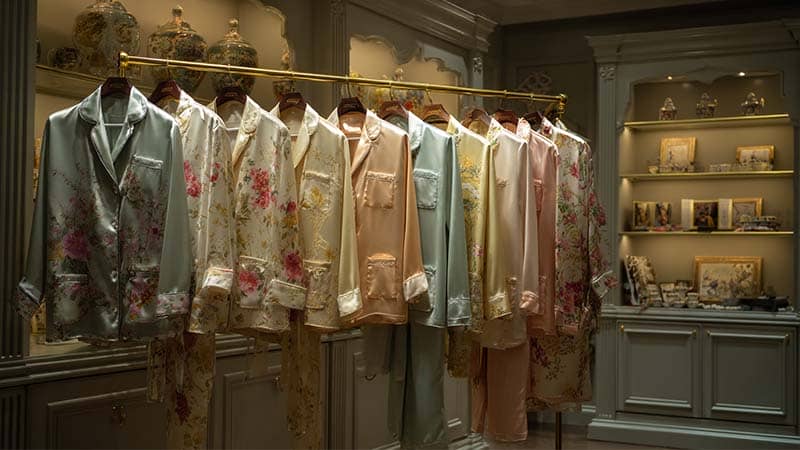
OEM vs. ODM: Which Silk Pajama Production Solution Fits Your Business?
OEM vs. ODM: Which Silk Pajama

Best Fabric For Summer Pajamas: A Practical Guide To Cooler, Better Sleep
Best Fabric For Summer Pajamas
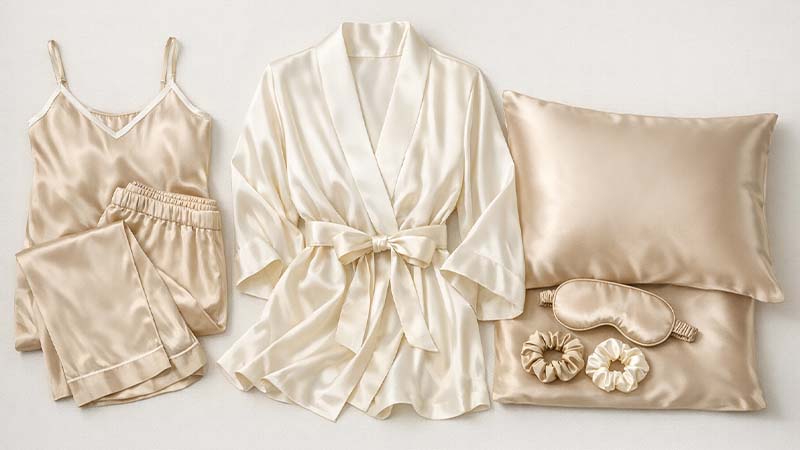
From Silk Apparel To Bedding: Custom Manufacturing Solutions Available At Silkua
From Silk Apparel To Bedding: