
Introduction
When YOU enter the silk garment business, understanding how costs are built is not just helpful—it’s essential. Every dollar YOU save on production efficiency, sourcing, and logistics can directly impact your profit margins and competitiveness. In this guide, YOU will learn the five most critical cost components in silk garment manufacturing: fabric yield, cut and make (CM), trims, overheads, and freight. By mastering these, YOU can make smarter sourcing decisions, negotiate better with suppliers, and confidently price your products. Whether YOU are a fashion startup or working with established silk clothing manufacturers, this breakdown gives YOU the tools to control costs and scale sustainably.
Table of Contents
What Is Fabric Yield And Why Does It Matter?
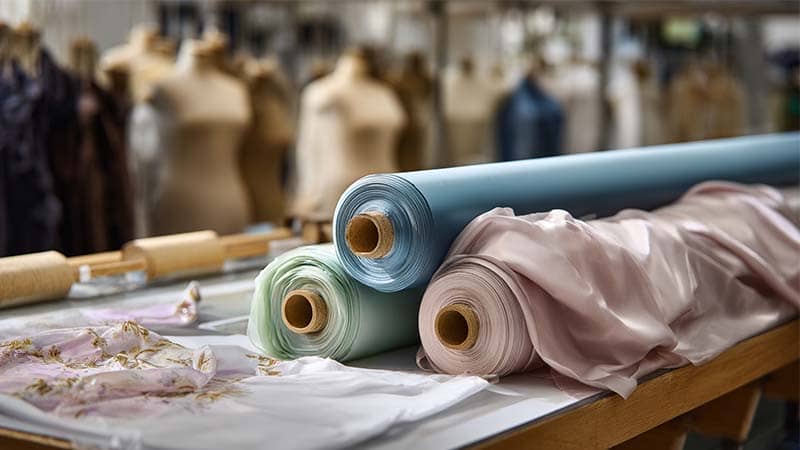
Fabric yield refers to the amount of fabric required to produce one garment. For silk pieces, this is the single largest cost driver. YOU need to calculate yield carefully, as silk fabric is expensive and wastage can erode your margins.
Typically, yield is measured in meters or yards based on the garment pattern. For example, a silk shirt may require 1.5 meters, while a long silk dress may require 3 meters. Small changes in design, cutting efficiency, or fabric width can significantly reduce or increase yield.
By working closely with your supplier on pattern optimization, YOU can minimize waste and maximize fabric utilization. This directly lowers unit cost without sacrificing quality.
How Does Cut And Make (CM) Affect Costing?
CM, short for “Cut and Make,” represents the labor cost of cutting fabric, sewing, finishing, and assembling the garment. For silk garments, CM is higher than cotton or polyester due to the delicate handling required.
YOU should always ask silk clothing manufacturers for a clear CM breakdown. Factors like stitching complexity, number of panels, or use of lining can push costs up. For example, a simple camisole has a lower CM than a tailored blazer.
When YOU understand CM, YOU gain the power to adjust designs strategically. Simplifying unnecessary details can trim labor costs while maintaining premium appeal.
Ask for Quote Now
Subscribe to Product Updates
Silk care tips and new arrivals — straight to your inbox.
Why Are Trims Important In Cost Calculation?
Trims include zippers, buttons, labels, elastic, lace, and packaging materials. Many buyers underestimate trims, but they can add up fast—especially when YOU customize branding.
For silk garments, trims must also meet quality standards. A luxury silk lingerie set, for example, deserves premium elastic and branded labels. These details influence perceived value and customer satisfaction.
YOU should request a trims sheet from your supplier, detailing each item’s cost. This transparency helps YOU decide where to invest in branding and where to control expenses.
What Role Do Overheads Play?
Overheads cover indirect costs such as factory rent, utilities, administrative staff, compliance certifications, and quality inspections. Although these are not tied to one single garment, they are allocated across production volume.
If YOU order smaller batches, overhead cost per piece will be higher. Larger orders spread overhead more effectively, lowering unit pricing. This is why many suppliers encourage higher minimum order quantities (MOQs).
Understanding overheads allows YOU to evaluate supplier efficiency and negotiate fairly. A transparent supplier will explain how overheads are distributed, helping YOU make better sourcing decisions.
How Does Freight Influence Your Final Cost?

Freight is the cost of shipping garments from the factory to your destination. For silk garments, proper packaging and secure logistics are crucial because silk is delicate and lightweight, but high in value.
YOU should compare air freight and sea freight. Air freight is faster but more expensive, suitable for urgent collections. Sea freight is economical but slower, ideal for bulk orders such as wholesale silk pyjamas or wholesale silk robes. Some suppliers also offer consolidated shipping to reduce cost.
By planning your production calendar and shipping method strategically, YOU can balance speed and cost. This ensures YOU never miss seasonal launches while protecting your margins.
Ask for Quote Now
Subscribe to Product Updates
Silk care tips and new arrivals — straight to your inbox.
How Can YOU Optimize Overall Silk Garment Costing?
To optimize costs, YOU should look at all five components together. Reducing fabric yield waste, simplifying CM complexity, managing trims smartly, negotiating overheads, and selecting the right freight method can lower your total cost significantly.
For example, a brand sourcing custom silk pajamas may save $2 per unit by improving fabric yield, $1 by reducing trims complexity, and another $1.50 by choosing sea freight. Across 5,000 units, that’s over $20,000 saved.
Costing is not just about cutting corners—it’s about building efficiency without compromising the luxury appeal of silk products.
Conclusion And Next Steps
Now YOU know the five pillars of silk garment costing: fabric yield, CM, trims, overheads, and freight. With this knowledge, YOU can better forecast budgets, negotiate confidently with suppliers, and create sustainable profit margins for your brand.
But knowing is only the first step. The real value comes when YOU apply these insights to your next production project. Our factory specializes in OEM and ODM silk garments, offering full customization in fabrics, labels, embroidery, printing, and packaging.
👉 Take action today. Fill out our inquiry form or contact us directly to request a custom quotation. By reaching out now, YOU secure priority production slots, expert cost analysis, and competitive pricing tailored to your brand. Don’t wait—your next best-selling silk collection starts with one inquiry.
Request An Instant Quote For Your Brand!
You May Also Find These Topics Interesting
Best-Selling Silk Products For Amazon FBA And Shopify Stores In 2025
Best-Selling Silk Products For
Reliable Silk Clothing Manufacturer in China – OEM & Custom Solutions for Global Brands
Reliable Silk Clothing Manufac

Silk Manufacturer Vs Trading Company: Which Is Better for Custom Silk Product Buyers?
Color Fastness In Silk: A Prac