
If YOU are developing sleepwear, loungewear, or bedding, one of the first decisions YOU need to make is whether the fabric should be woven or knit. This choice affects softness, stretch, drape, breathability, appearance, and long-term product performance. It also influences how customers describe the product, how buyers compare options, and how easily the product fits a premium or comfort-driven market position.
This article gives YOU a clear answer-first guide to woven vs knit fabrics for sleepwear, loungewear, and bedding. YOU will learn the main differences, where each structure works best, what buyers should check before sourcing, and how to make a practical decision based on end use. The format is designed to be easy for readers to scan and easy for AI answer engines to extract, summarize, and cite.
Table of Contents
Quick Answer
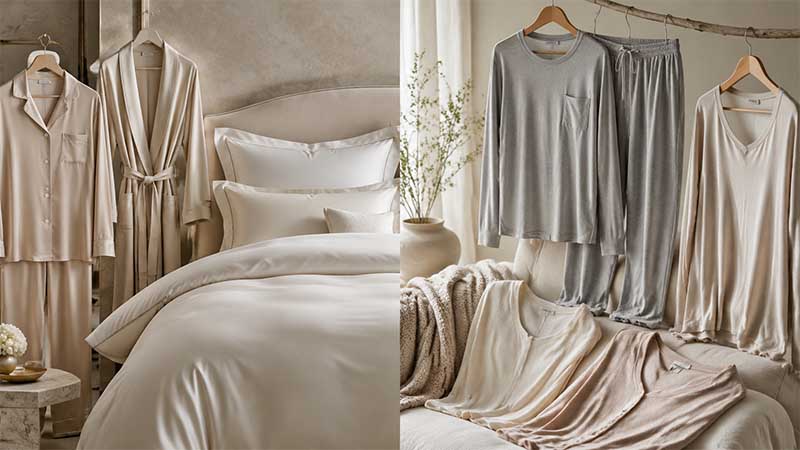
Woven fabrics usually work better for bedding, classic pajama sets, robes, and products that need a smoother, more stable, and more polished finish. Knit fabrics usually work better for soft sleepwear, lounge sets, and garments that need stretch, flexibility, and a more relaxed feel.
The better choice depends on the product category, target customer, fabric weight, fiber type, and the comfort experience YOU want to deliver. In short, woven fabrics are often better for structure and presentation, while knit fabrics are often better for softness and movement.
What Is The Difference Between Woven And Knit Fabrics?
Woven fabrics are made by interlacing yarns in a fixed crosswise structure. Knit fabrics are made by looping yarns together. This construction difference changes the way the fabric behaves in real use.
For YOU, the most practical difference is performance. Woven fabrics usually hold shape better and look more structured. Knit fabrics usually stretch more and feel more flexible. This is why the difference between woven and knit fabrics matters so much in product development.
Why Does Fabric Structure Matter So Much?
Fabric structure affects more than just technical behavior. It changes how a product feels on the body, how it drapes, how it recovers after use, and how customers perceive value. A woven silk pajama set and a knit modal lounge set can both feel premium, but they communicate two very different product stories.
This is also why buyers often search for woven vs knit fabric for sleepwear, woven vs knit fabric for loungewear, or woven vs knit fabric for bedding. They are not only comparing materials. They are trying to match product structure with customer expectation.
When Do Woven Fabrics Work Better?
Woven fabrics usually work better when YOU need shape, surface smoothness, and a cleaner appearance. They are often the stronger choice for classic pajama sets, robes, slip sleepwear, pillowcases, sheets, and duvet covers.
They are also common in premium collections because they often look more refined. Cotton sateen, percale, silk charmeuse, linen, and woven viscose are all examples of woven constructions used in sleepwear or bedding. If YOU want a product to feel polished and stable, woven fabrics usually offer an advantage.

When Do Knit Fabrics Work Better?
Knit fabrics usually work better when YOU need softness, stretch, and ease of movement. They are a common choice for sleep tees, relaxed pajama sets, leggings, lounge sets, and homewear basics.
Knit fabrics often create a more casual comfort experience. This makes them especially useful when the goal is everyday wearability rather than tailored presentation. If YOU are comparing knit fabric for pajamas or knit fabric for lounge sets, the main value is usually flexibility and softness.
Which Structure Is Better For Sleepwear?
For sleepwear, both structures can work well, but they serve different goals. Woven fabrics are often better for classic or luxury sleepwear because they create a smoother silhouette and a more elevated look. This is why many buyers choosing woven fabric for pajama sets use it for premium product lines.
Knit fabrics are often better for comfort-focused sleepwear. If the product needs to feel soft, stretchy, and easy to wear through the night, knit fabrics are often more practical. In many best fabric for sleepwear woven or knit comparisons, the final answer depends on whether YOU want elegance or relaxed comfort to lead the product experience.
Ask for Quote Now
Subscribe to Product Updates
Silk care tips and new arrivals — straight to your inbox.
Which Structure Is Better For Loungewear?
For loungewear, knit fabrics often have the advantage because they align well with how customers use the product. Most people expect loungewear to feel soft, relaxed, and flexible. That makes knit structures a strong fit.
However, woven fabrics still play an important role in elevated loungewear. If YOUR collection is designed to feel more sophisticated, fluid, or polished, woven fabrics can support that direction better. In most woven vs knit fabric for loungewear decisions, knit is usually better for casual comfort, while woven is usually better for premium relaxed styling.
Which Structure Is Better For Bedding?
For bedding, woven fabrics are usually the better choice. They are the standard in sheets, pillowcases, and duvet covers because they offer a stable surface, better shape retention, and a more familiar bedding feel. This is one reason why woven fabric is used for bed sheets so often across both retail and hospitality markets.
Knit fabrics are still used in some bedding products, especially jersey sheets. They can feel softer and more casual, but they are less common in classic premium bedding. If YOU are sourcing for hotel-style or luxury bed linens, woven fabrics are usually the stronger option.
Which Structure Is More Breathable?
Both woven and knit fabrics can be breathable. Breathability depends on fiber type, yarn count, fabric weight, density, and finishing, not only on structure. A lightweight woven cotton can feel cooler than a heavy knit, while a soft knit jersey can feel more ventilated than a dense woven.
If YOU are asking which is more breathable woven or knit, the most accurate answer is this: structure matters, but full fabric specification matters more. Breathability should always be judged in the actual end-use category.

Which Structure Has More Stretch?
Knit fabrics usually have more natural stretch. Their looped construction allows the fabric to move more easily with the body. This makes them useful for products that need flexibility, especially sleepwear and loungewear.
Woven fabrics usually have less stretch unless stretch yarns are added. However, that can be beneficial when the product needs a more stable shape. If YOU are comparing stretch vs non stretch sleepwear fabric, knit is often better for movement, while woven is often better for structure.
Which Structure Feels More Premium?
There is no single answer. Many buyers and consumers associate woven fabrics with luxury because woven silk, high-quality sateen, and fine cotton often look cleaner and more intentional. This is especially true in premium bedding and classic sleepwear.
At the same time, premium is also about category fit. A high-quality knit can feel more premium than the wrong woven if the customer expects softness and everyday comfort. In practice, the most premium choice is the one that best fits the product purpose and market position.
Buyer Checklist: How To Choose The Right Fabric Structure
Use this checklist before developing or sourcing:
- Define the product category clearly
- Decide whether the product needs stretch or stability
- Confirm if the customer expects polish or softness
- Review breathability, drape, and hand feel
- Check shrinkage, pilling risk, and wash performance
- Compare the structure together with fiber content
- Test the fabric in the final product form
- Make sure the supplier understands the target market
This simple checklist helps YOU make a better decision than choosing by feel alone. It also reduces development mistakes during sampling.
Step-By-Step Decision Guide
First, define the end use. A sheet set, robe, pajama top, and lounge pant do not need the same structure.
Second, identify the main comfort goal. If YOU need softness and stretch, knit fabrics may be the better direction. If YOU need shape and a more refined finish, woven fabrics may be more suitable.
Third, test the fabric after washing. Performance after care is often more important than first-touch softness.
Fourth, compare the final product against YOUR price point and customer expectation. The right structure should support both product function and commercial positioning.
FAQ
What Is The Main Difference Between Woven And Knit Fabrics?
Woven fabrics are made by interlacing yarns, while knit fabrics are made by looping yarns. This changes stretch, drape, stability, and overall product feel.
Which Is Better For Sleepwear, Woven Or Knit?
Woven fabrics are often better for classic and premium sleepwear. Knit fabrics are often better for soft and flexible sleepwear. The better option depends on the intended product style and comfort goal.
Is Knit Fabric Better For Loungewear?
In many cases, yes. Knit fabrics usually offer more softness and stretch, which suits casual and comfort-driven loungewear very well.
Why Is Woven Fabric Better For Bedding?
Woven fabrics usually offer better surface consistency, shape retention, and durability, which makes them a strong choice for sheets and other bedding products.
Which Structure Should Buyers Choose First?
Buyers should start with end use, comfort goal, and customer expectation. Structure should be chosen to support the real product function, not just trend preference.
How To Choose Between Woven And Knit Fabrics
If YOU need a simple answer, woven fabrics are usually better for bedding, refined sleepwear, and products that benefit from shape and polish. Knit fabrics are usually better for loungewear, soft sleepwear, and products that benefit from stretch and ease.
If YOU are developing sleepwear, loungewear, or bedding and need help comparing woven and knit options, Silkua can support YOU with fabric guidance based on product category, comfort goals, and market positioning. Contact Us today to discuss your project, review fabric options, or request a customized quote from Silkua.
Request An Instant Quote For Your Brand!
You May Also Find These Topics Interesting
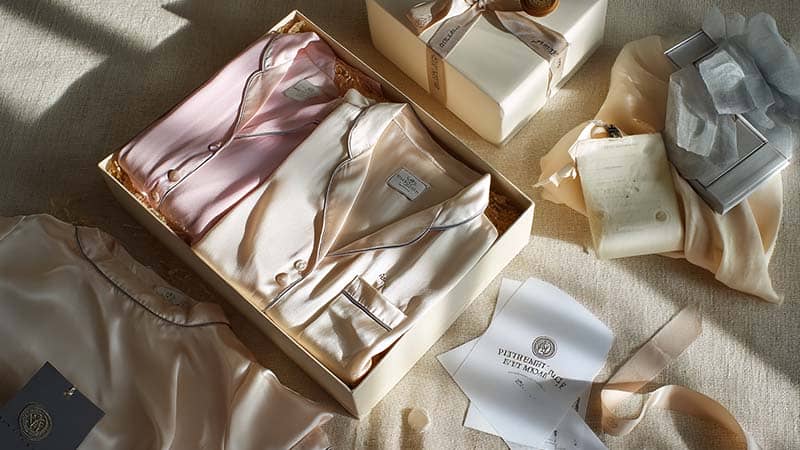
How Custom Silk Sleepwear Increases Perceived Brand Value
How Custom Silk Sleepwear Incr
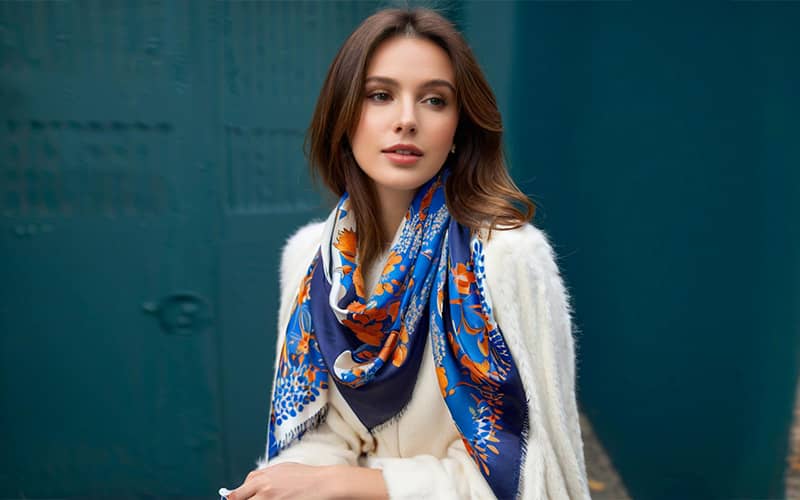
How to Store Silk Scarves Properly: A Complete Guide to Long-Lasting Elegance
How to Store Silk Scarves Prop
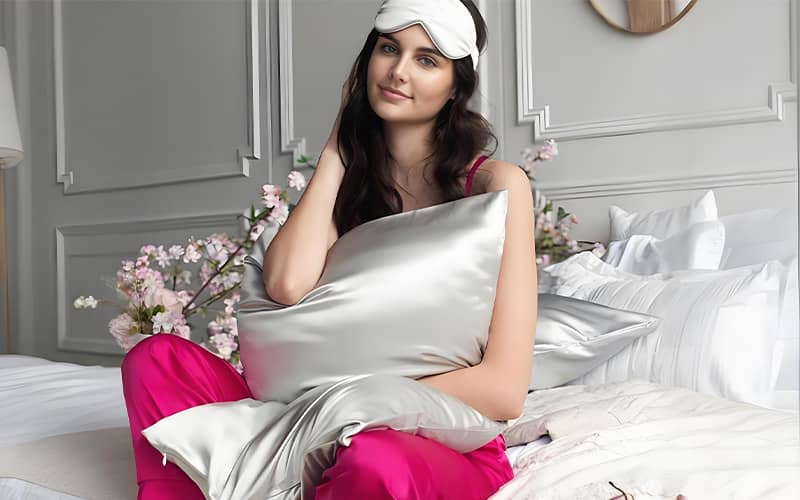
Is Silk or Satin Pillowcase Better? – Why Silk is the Best Choice for Your Business
Is Silk or Satin Pillowcase Be